We are so pleased and honoured to be featured in a short film made by Condé Nast Traveller showcasing our studio, artists and craftsmanship. You can watch the film in the link above and read the article which also will introduce you to other talented artists and makers. This article is also in the current issue of Condé Nast Traveller U.K., Condé Nast Traveler US and coming out soon in the Middle East –
In London, artisans are keeping hands-on heritage alive – meet the makers championing the craft revival
Craft is booming – here are the makers taking London’s artisanal heritage to new heights
September/October 2026 “The World Made Local” ~ and the video is “How London’s Rarest Crafts Are Still Made Today” ~
These features on London’s craft scene offer a glimpse into the extraordinary talent and dynamic organisations transforming the UK’s craft landscape.
Bellerby & Co Globemakers, traditional craftsmanship in London, England.
–
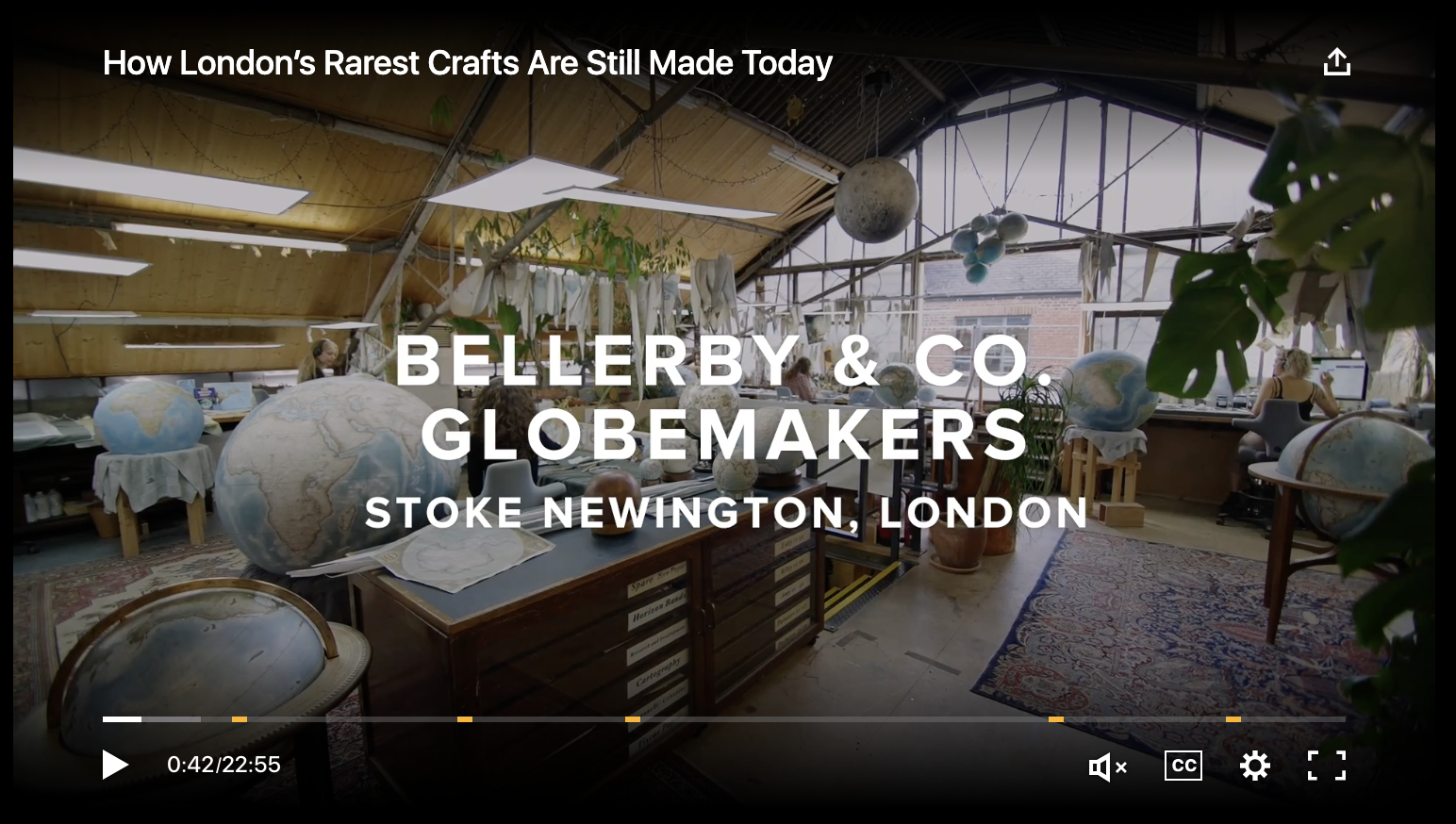
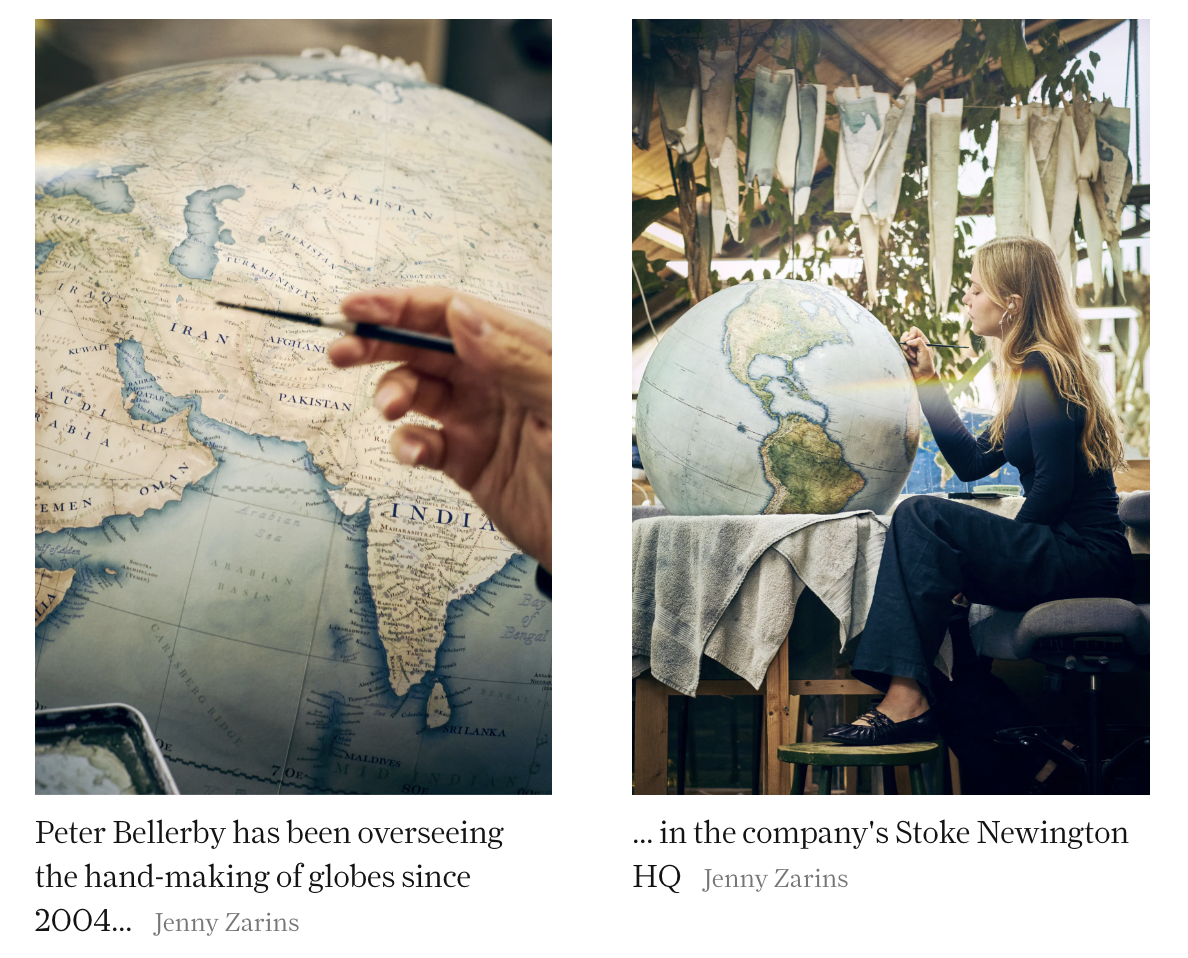
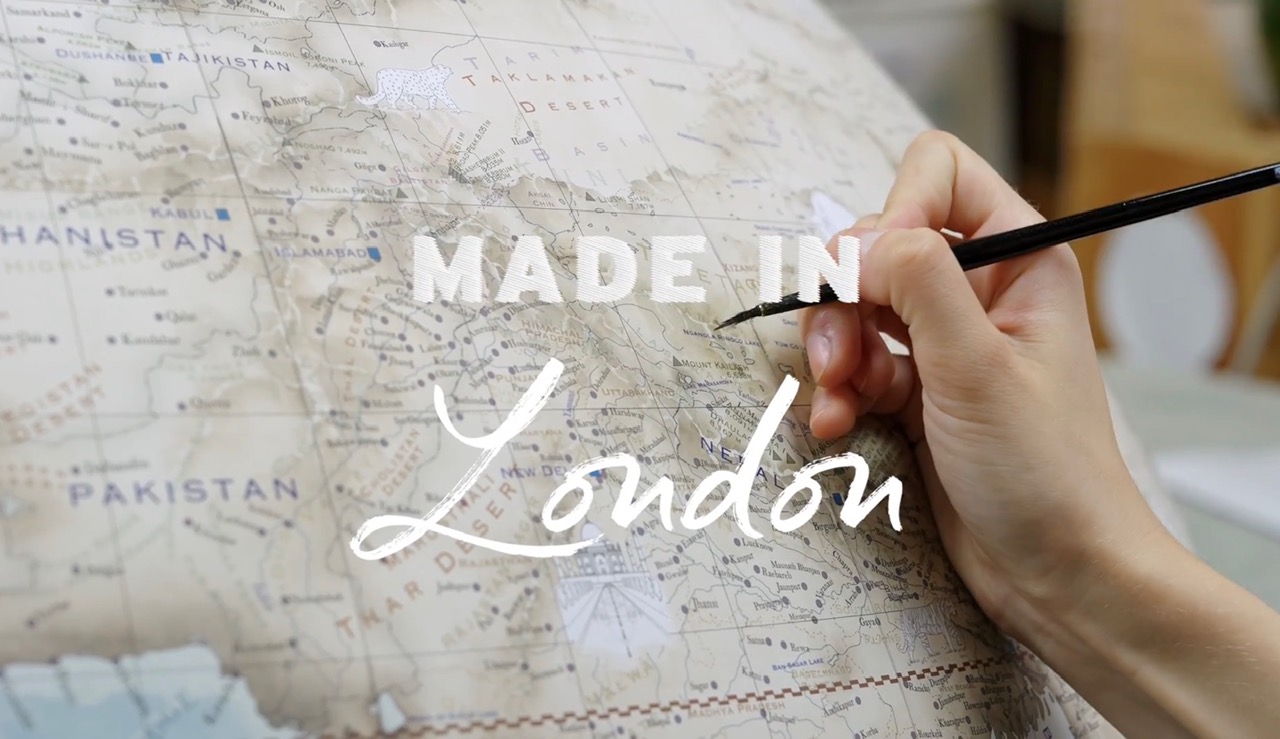
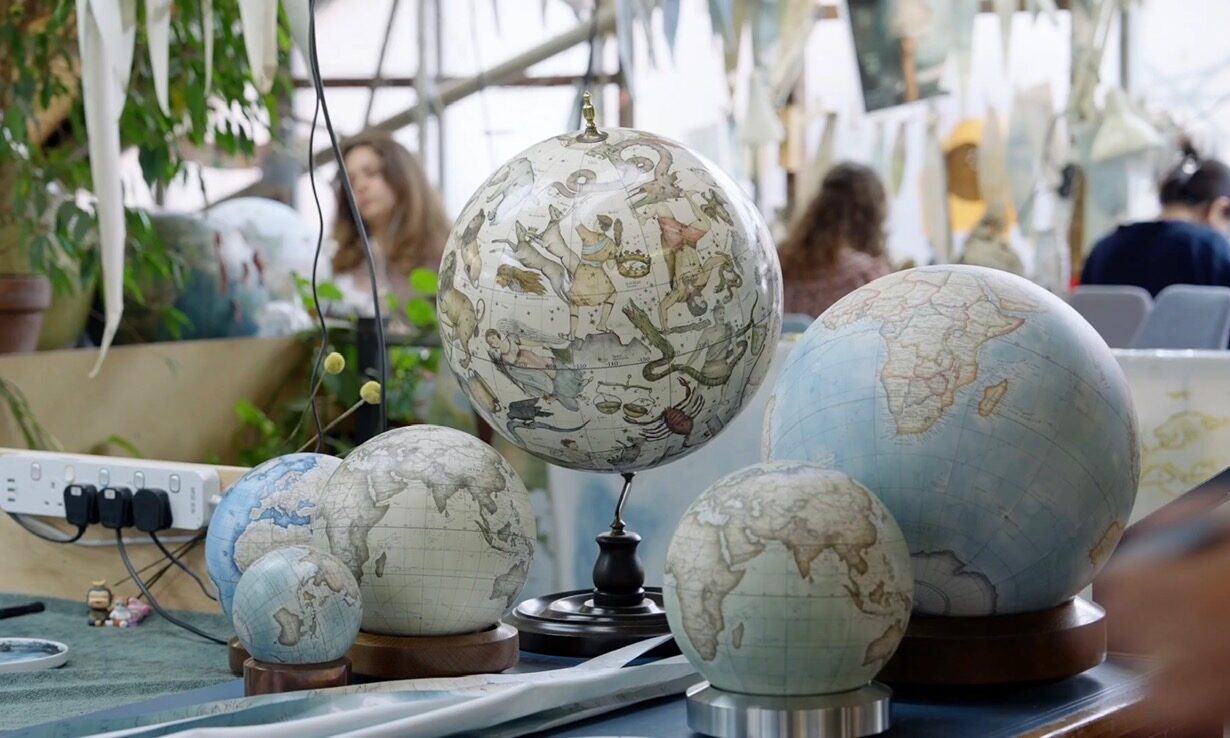
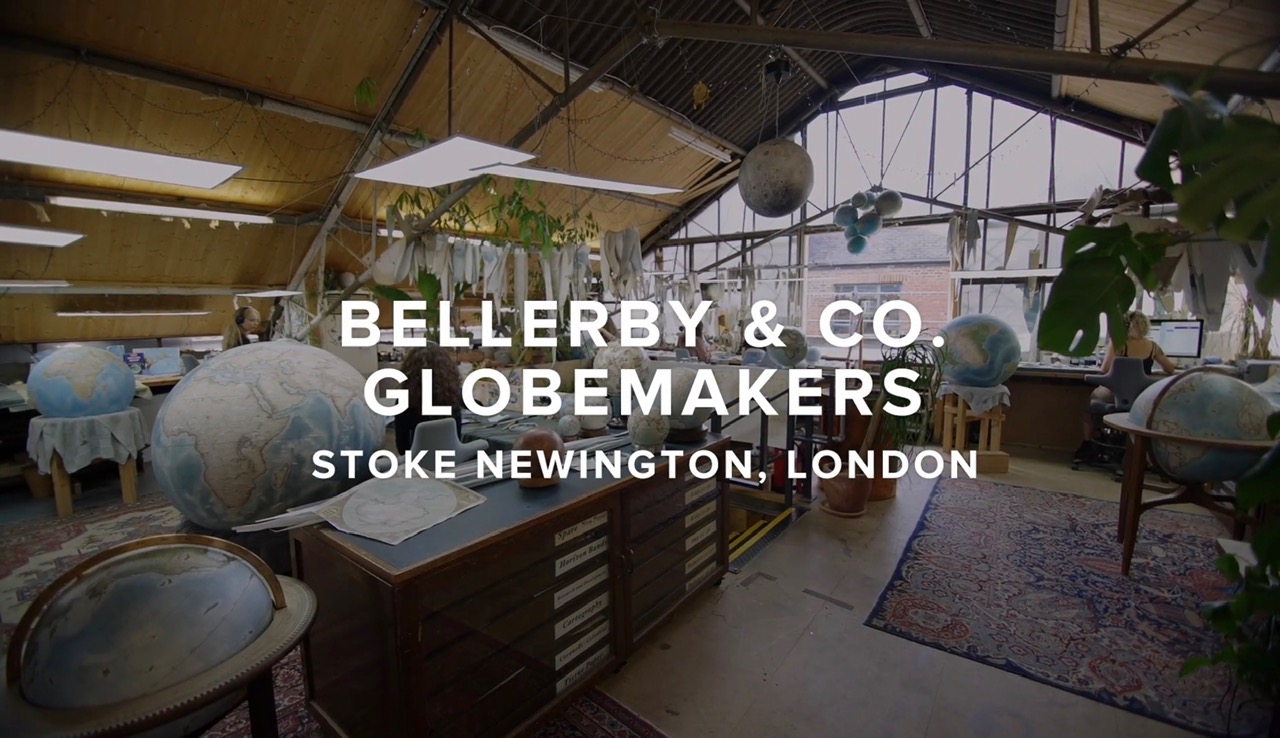
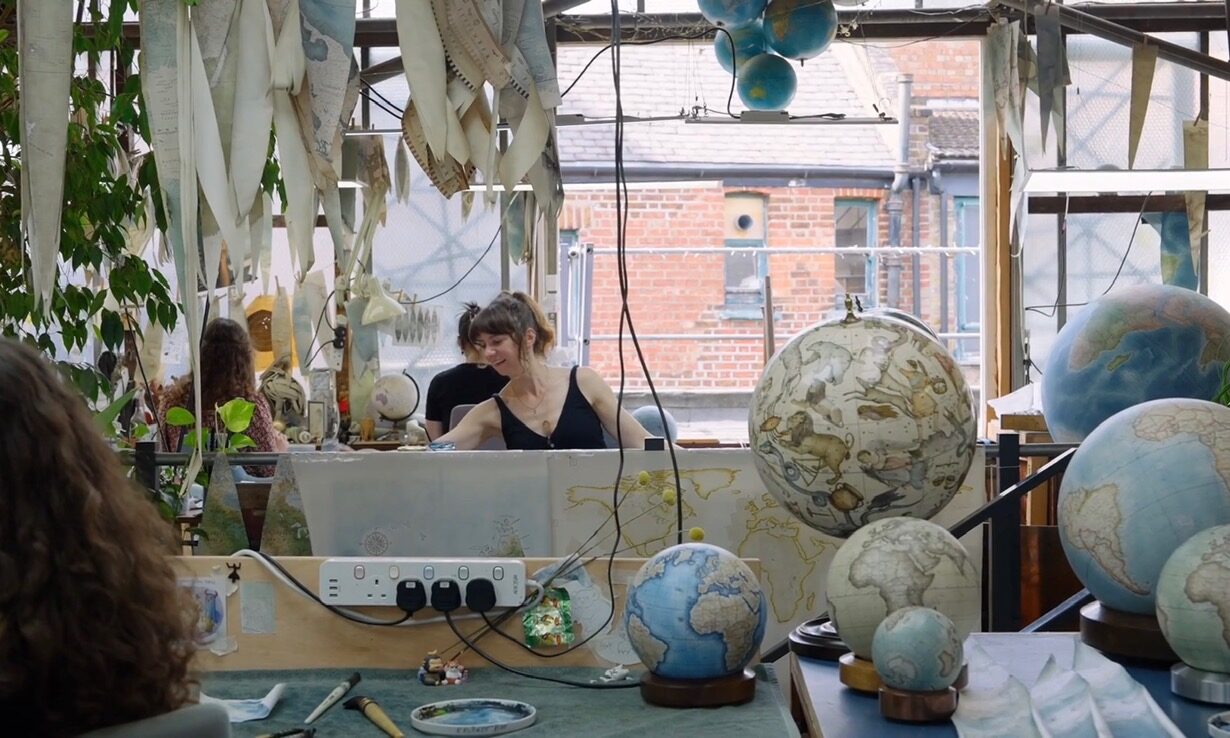
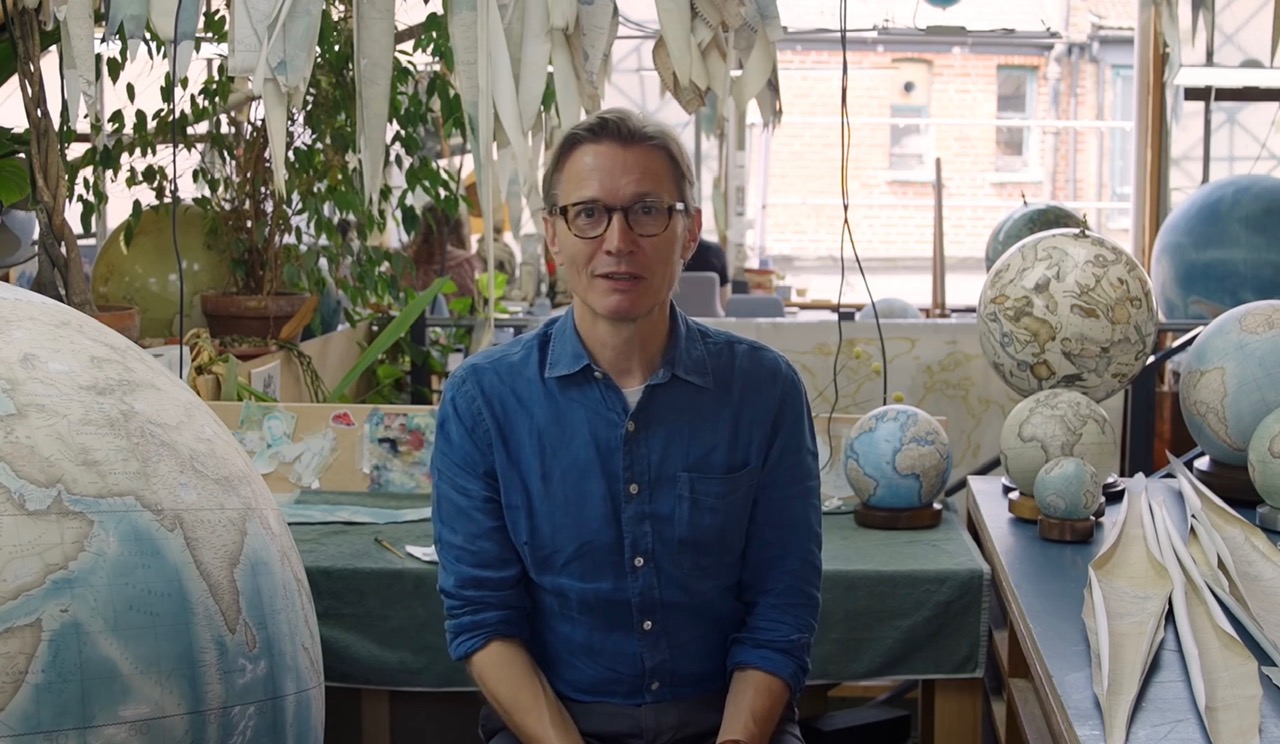
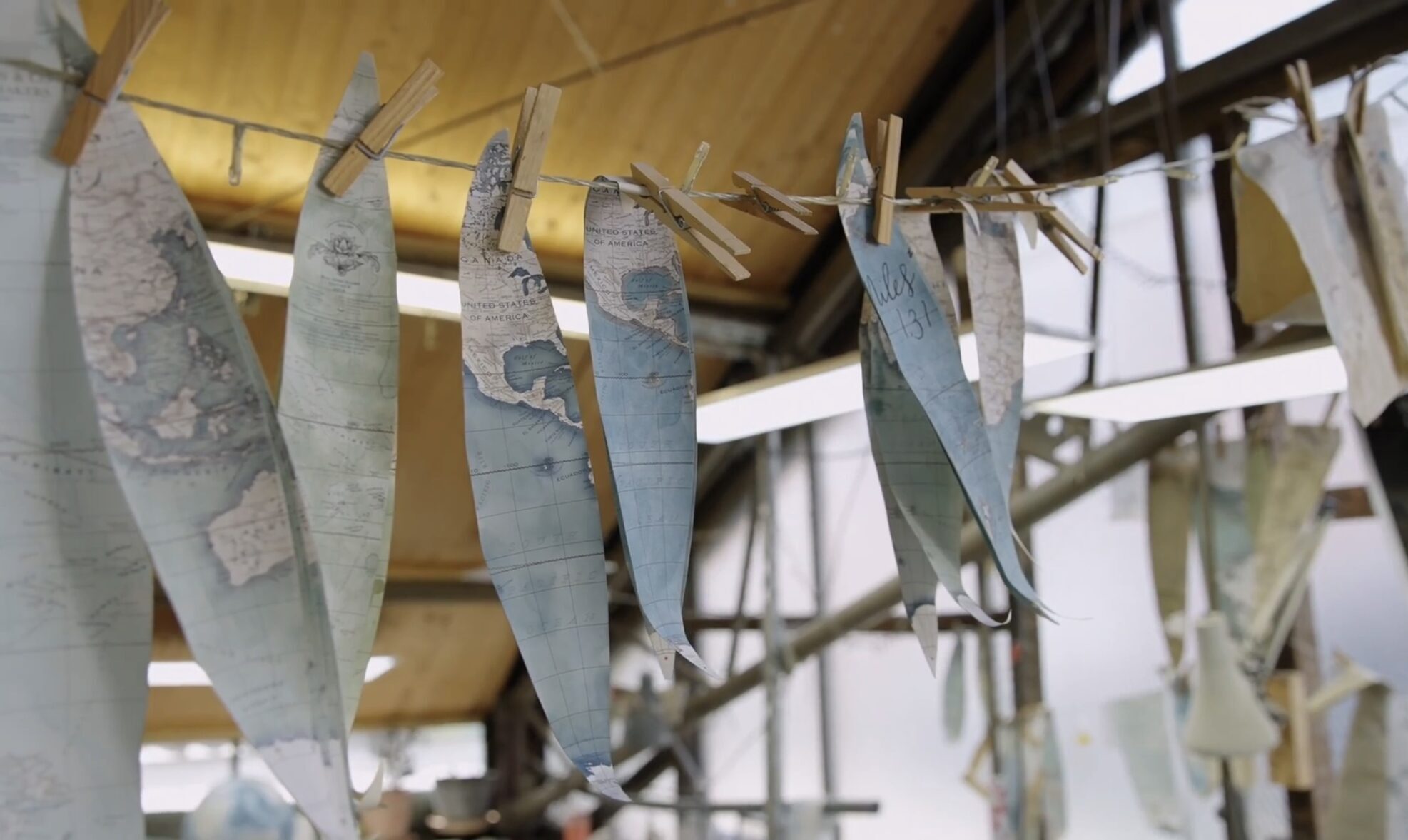
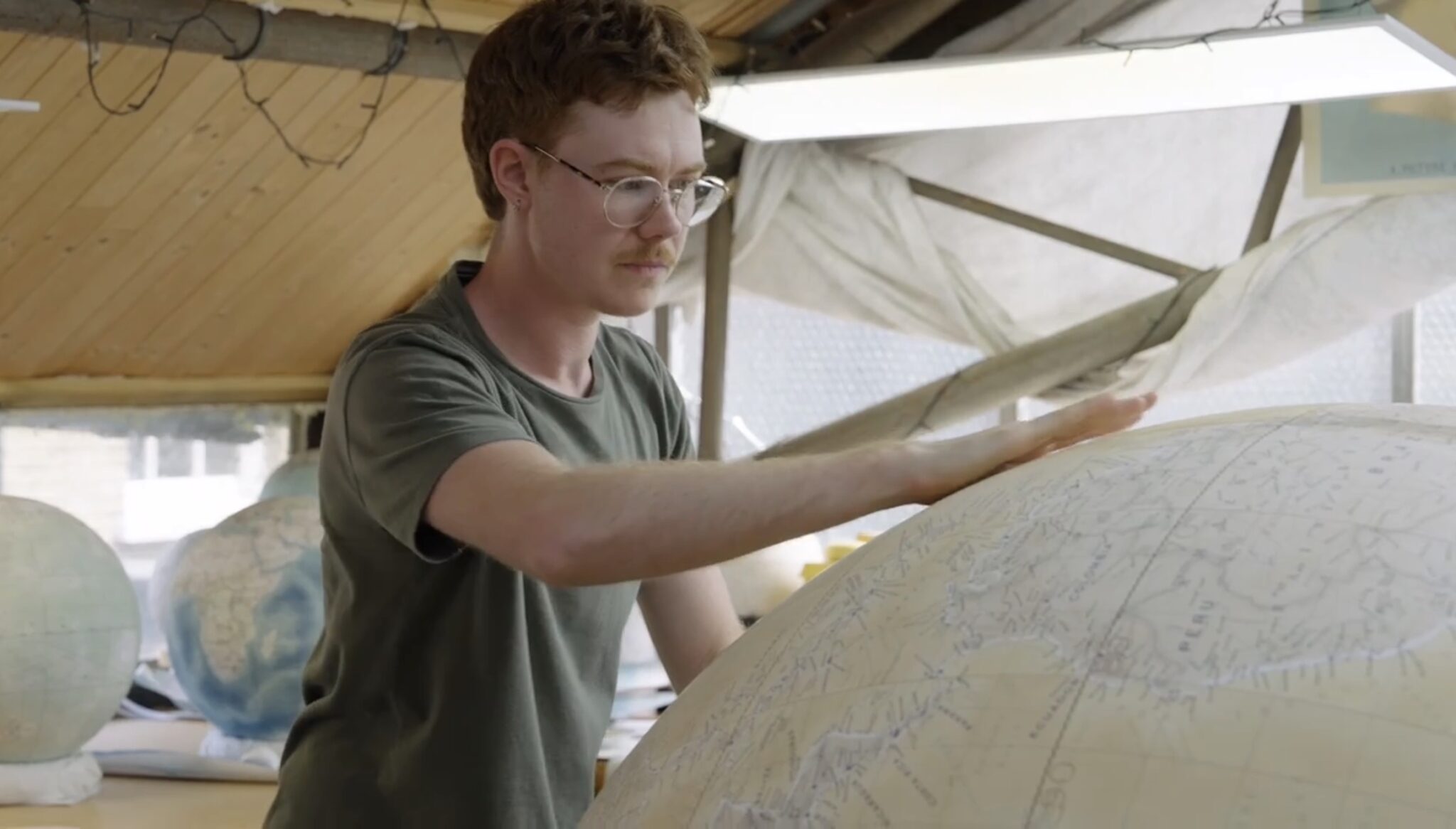
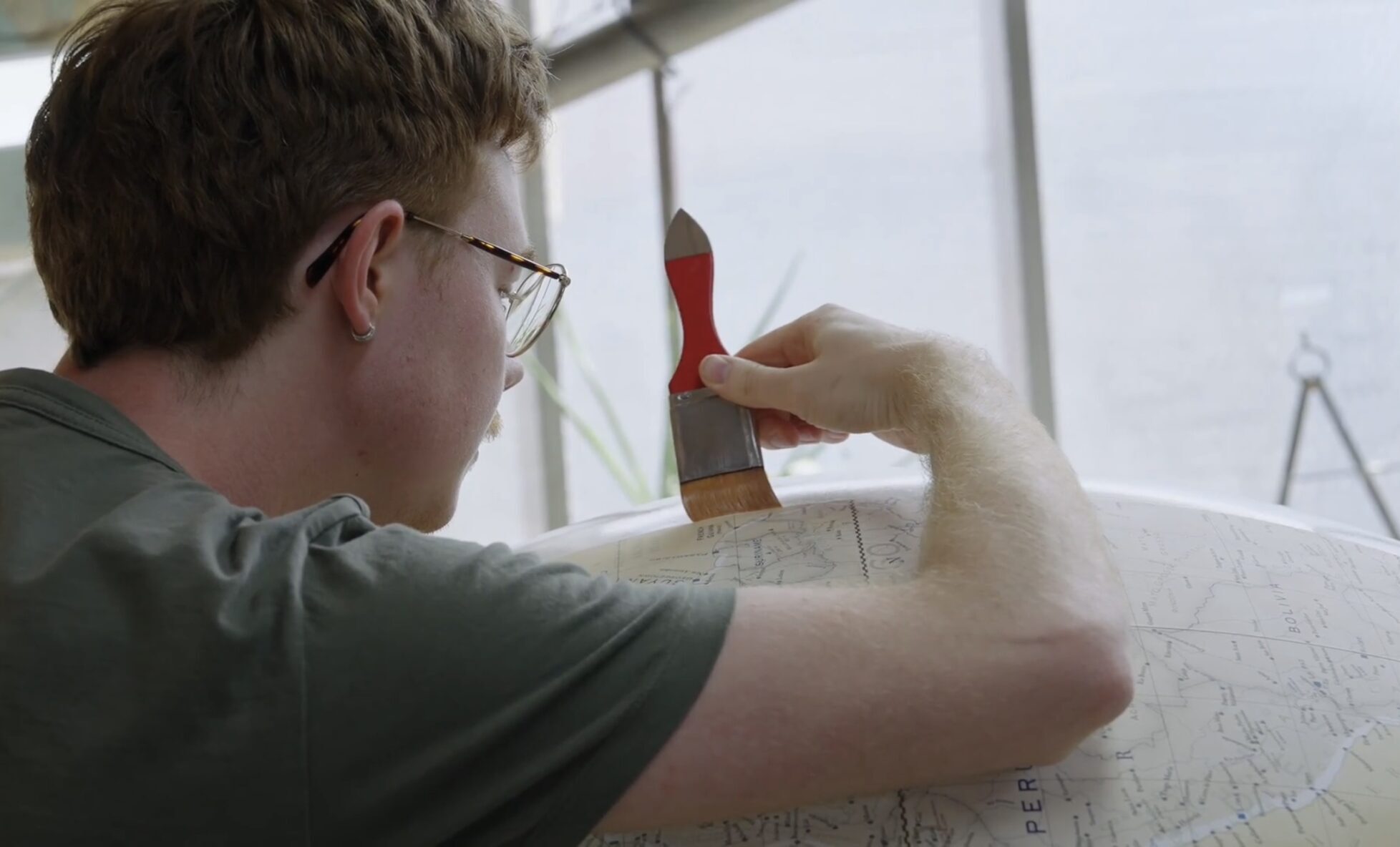
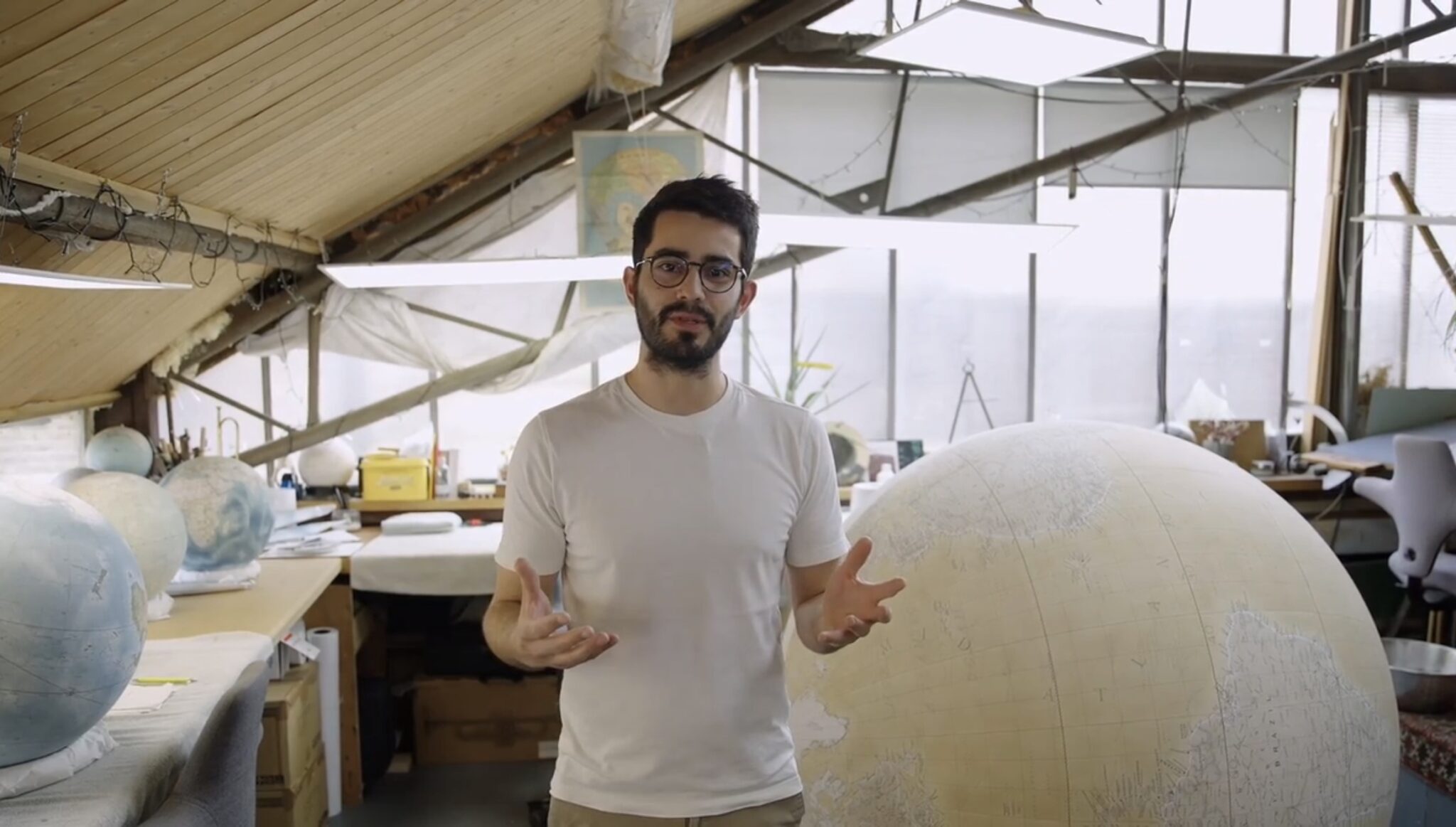
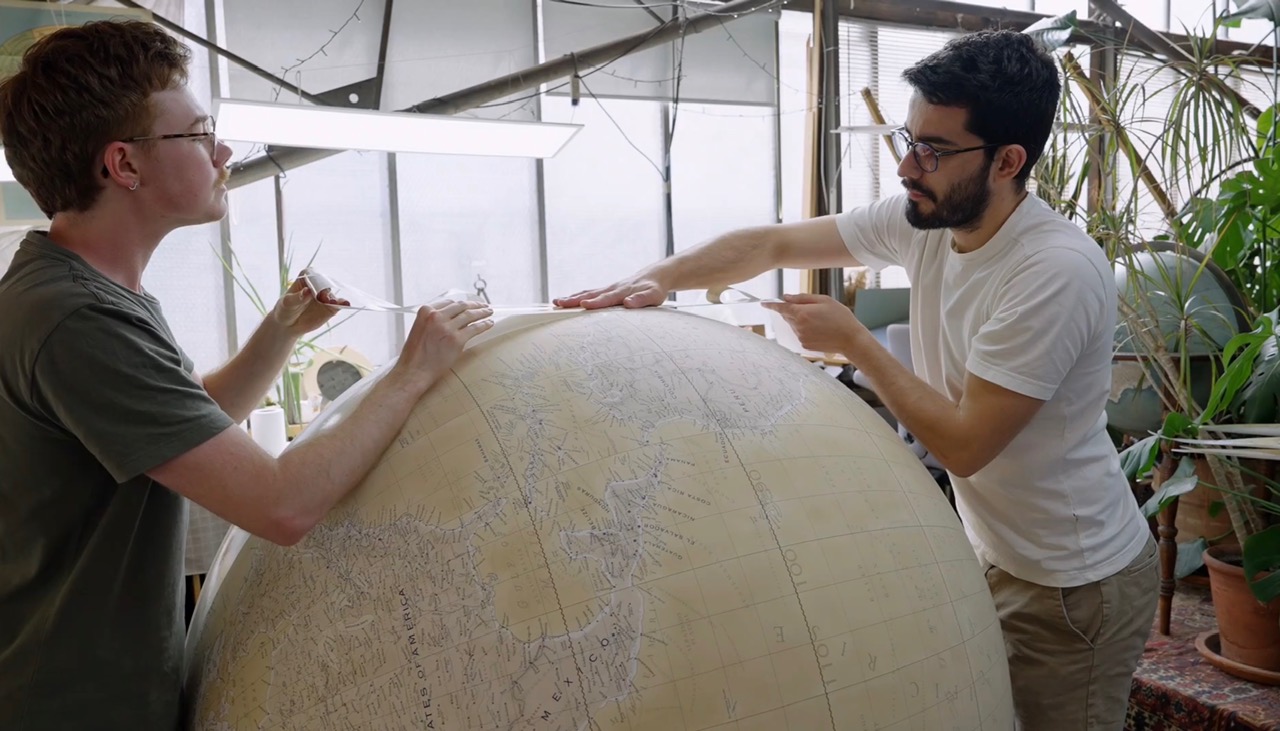
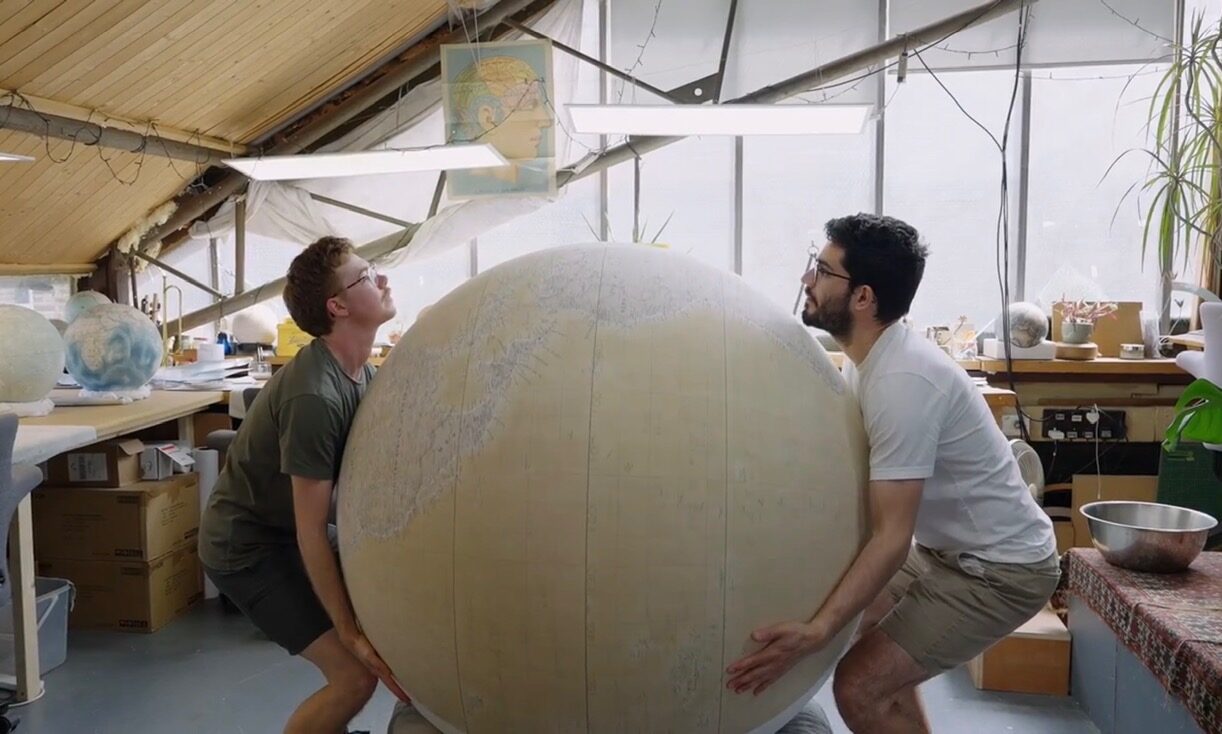
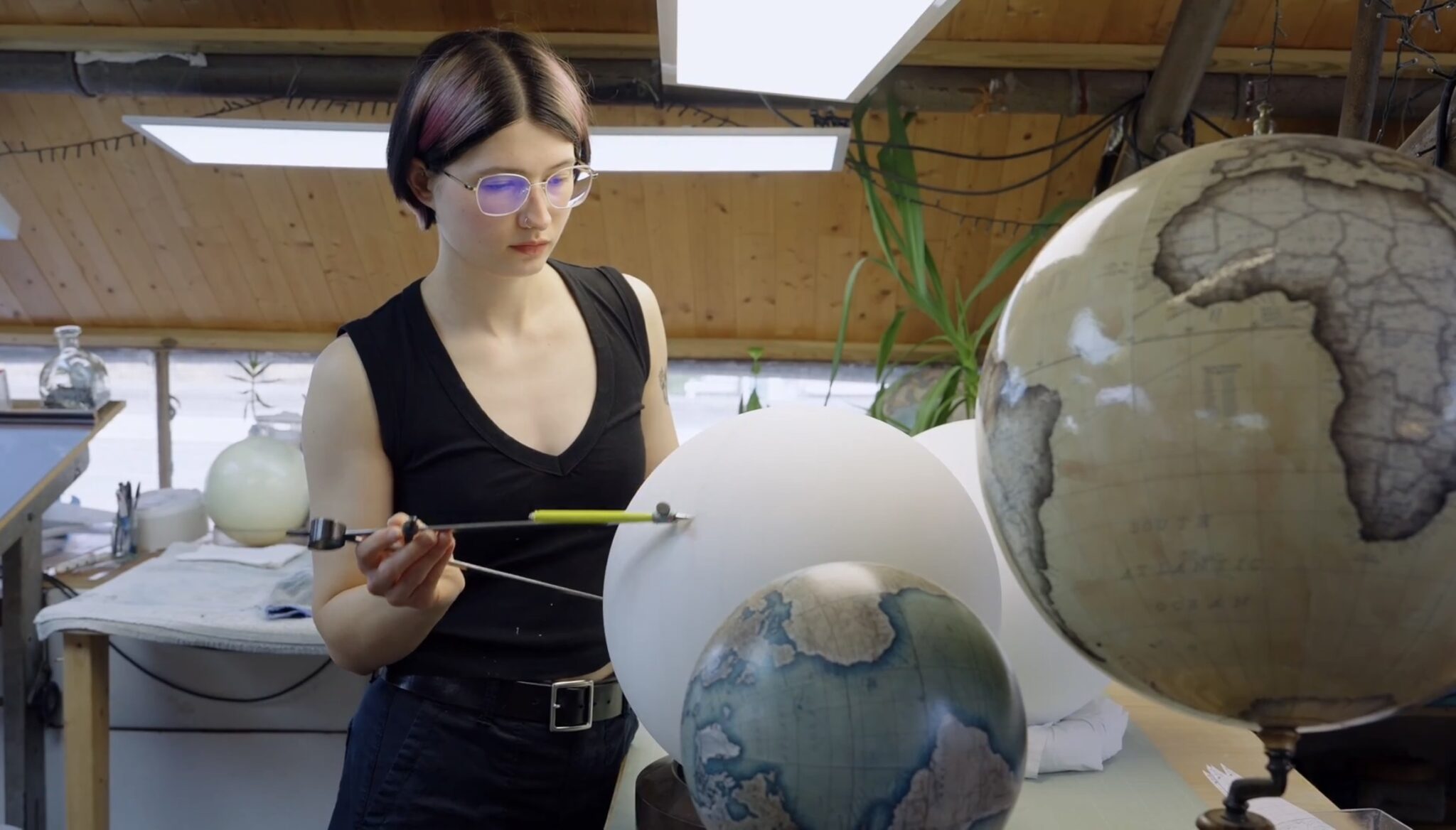
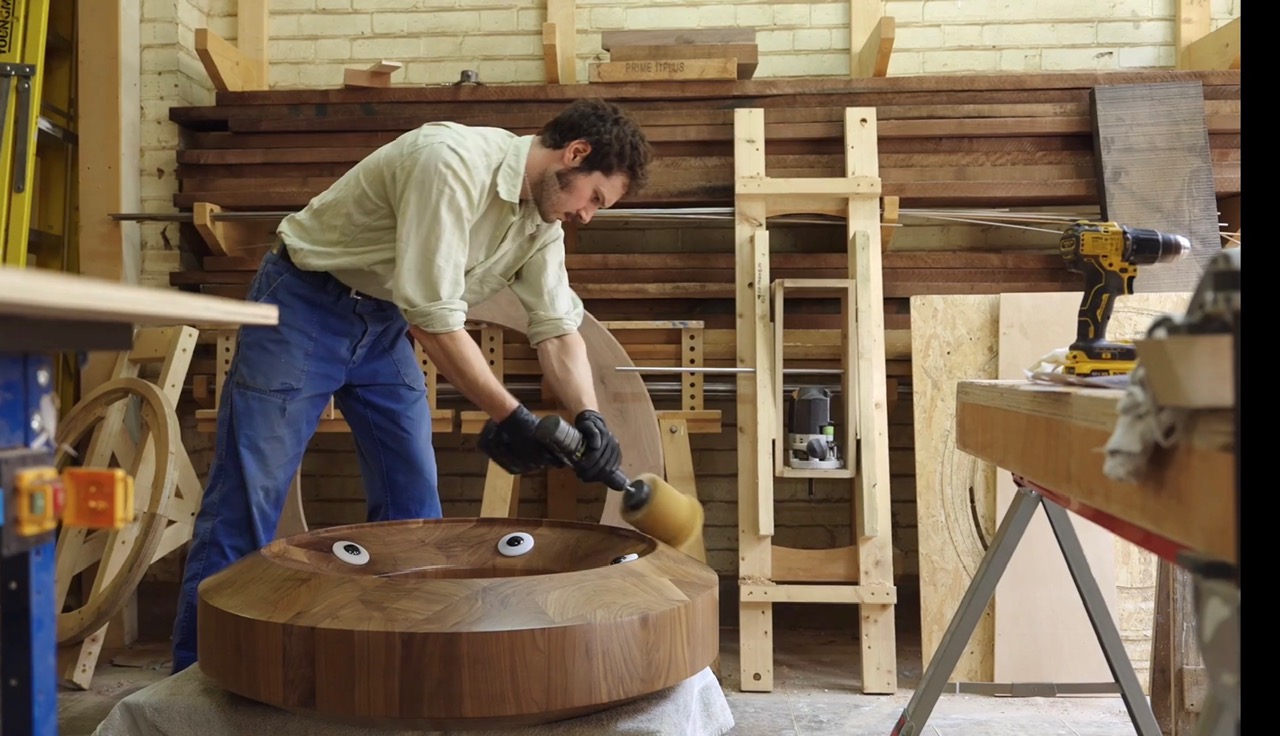
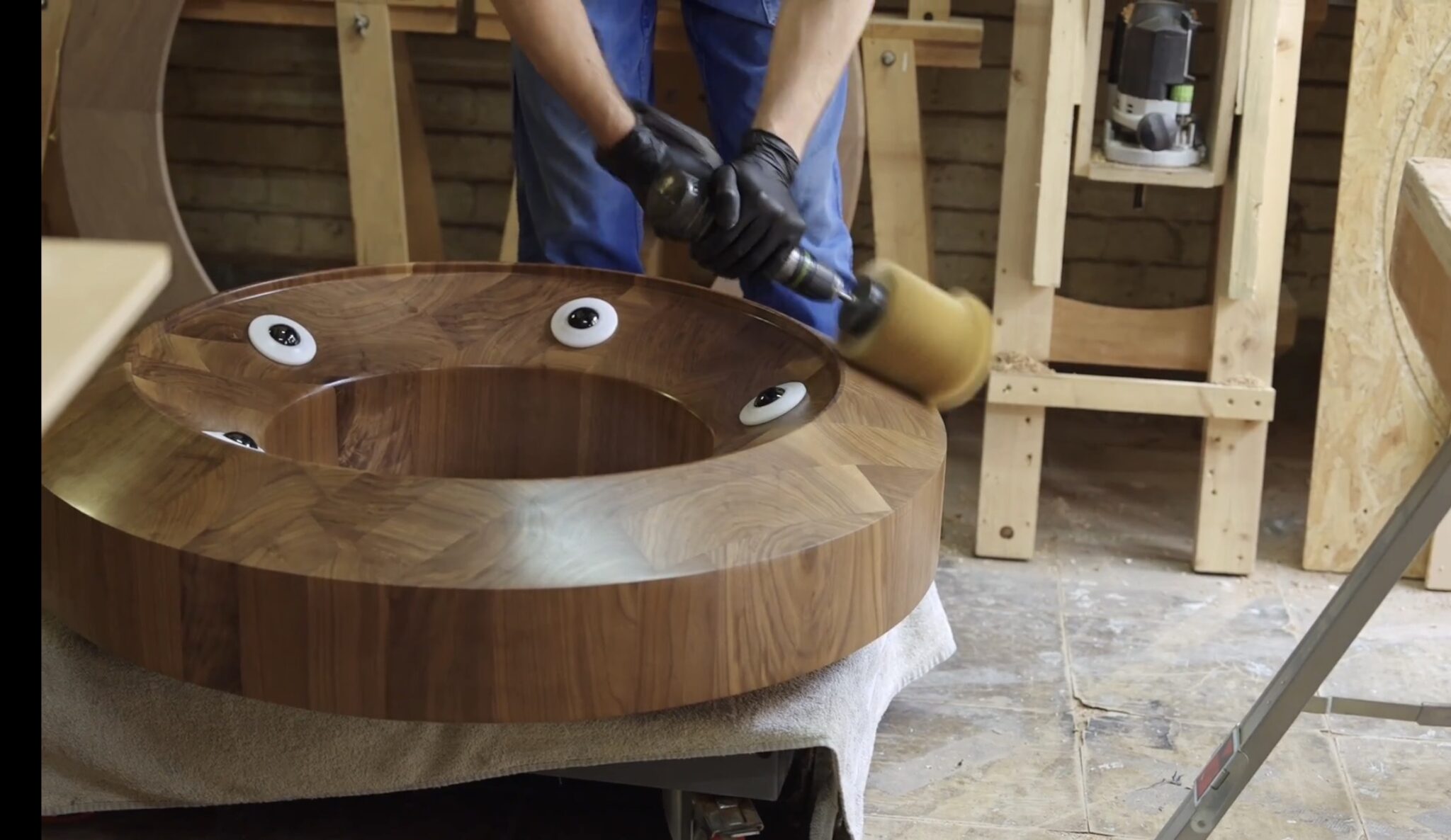
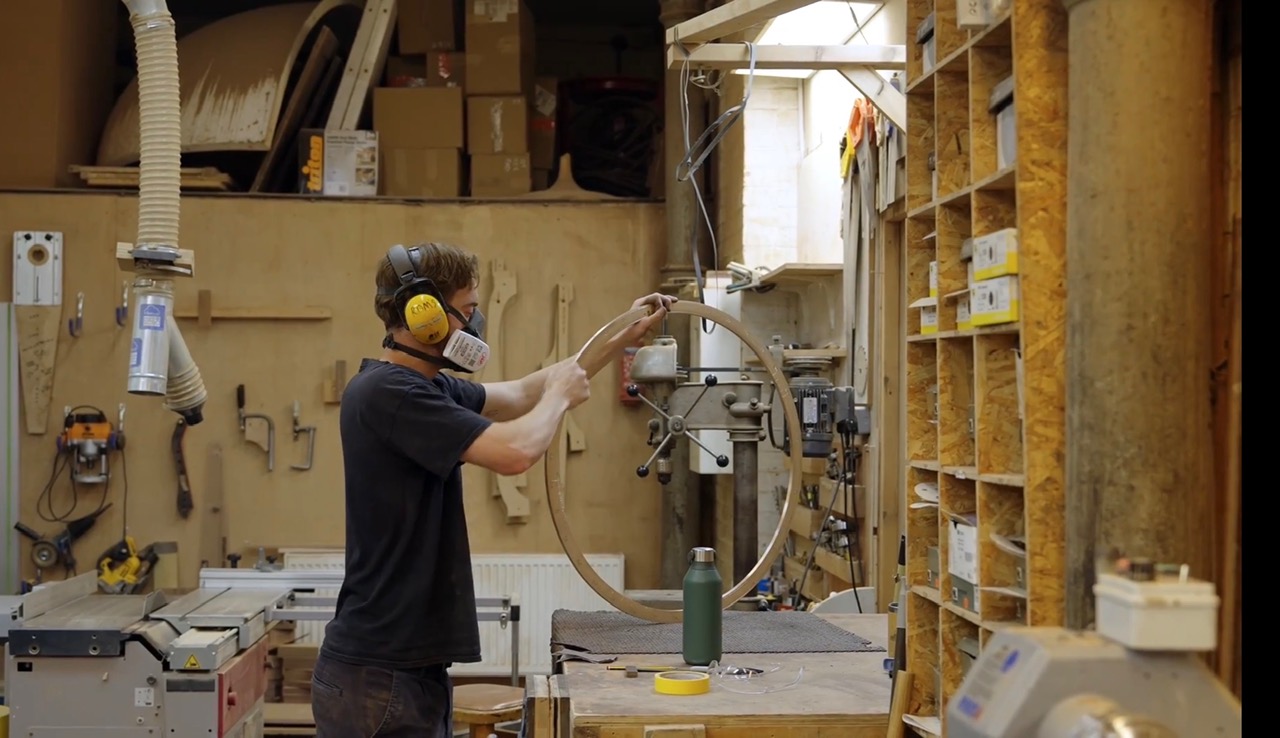
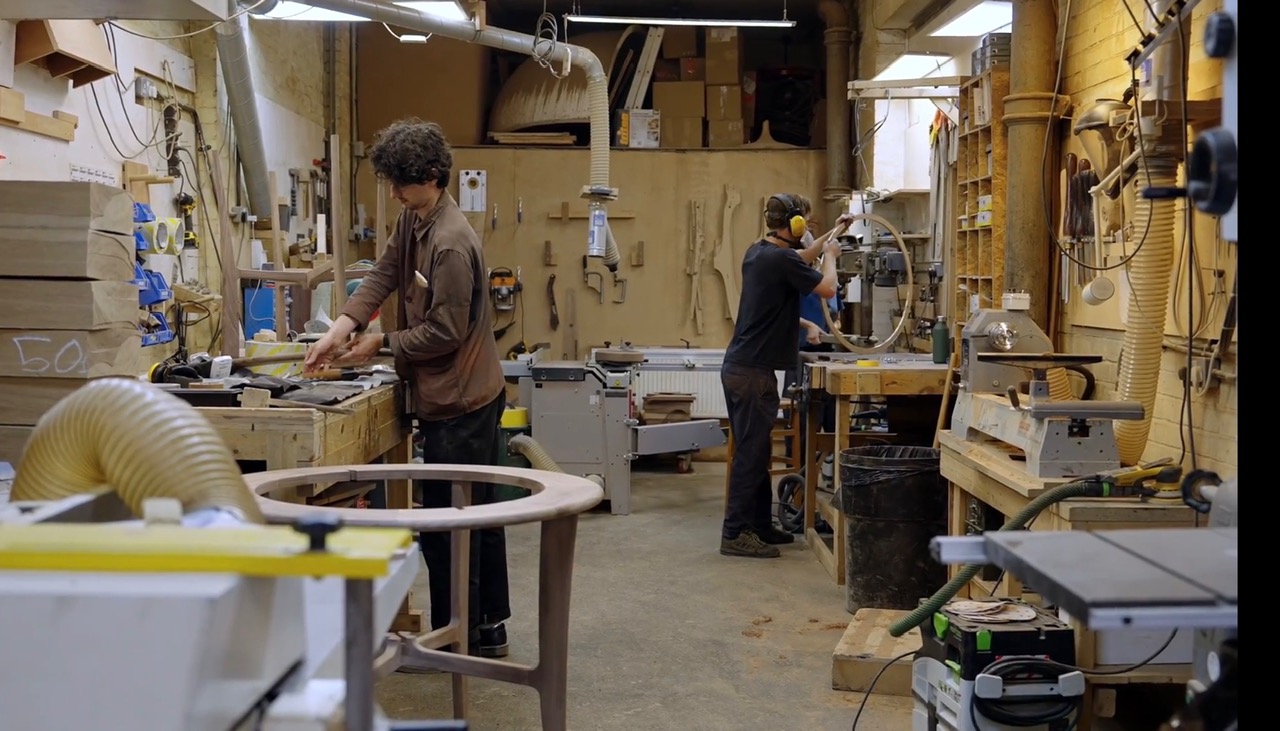
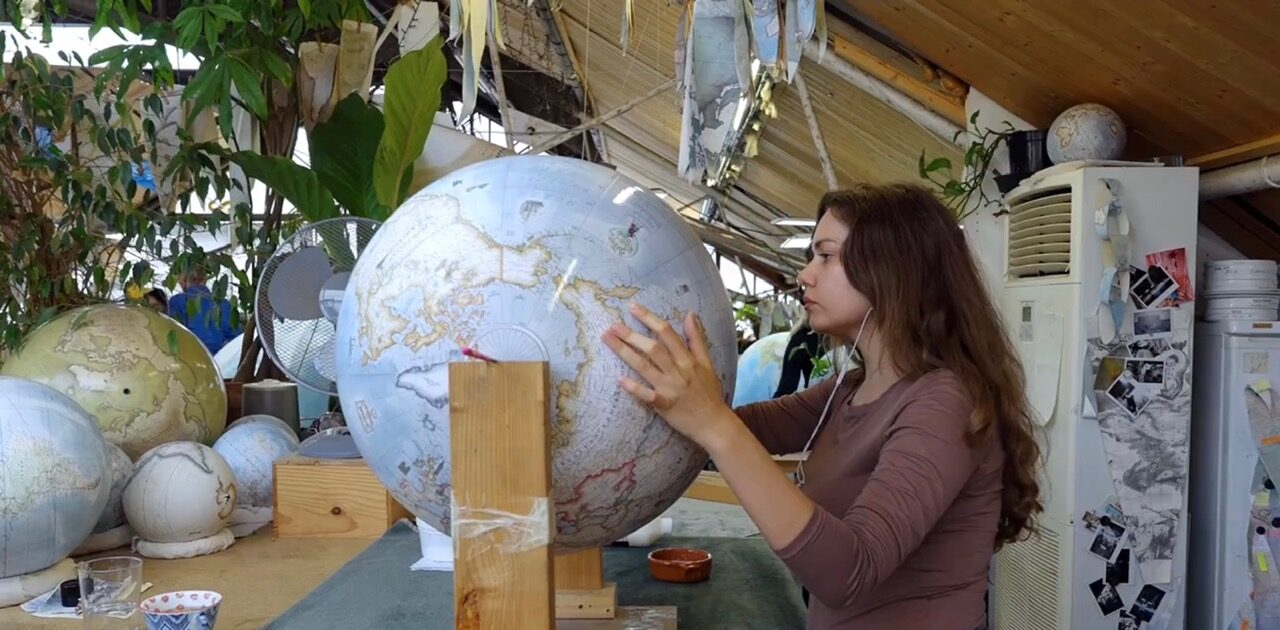
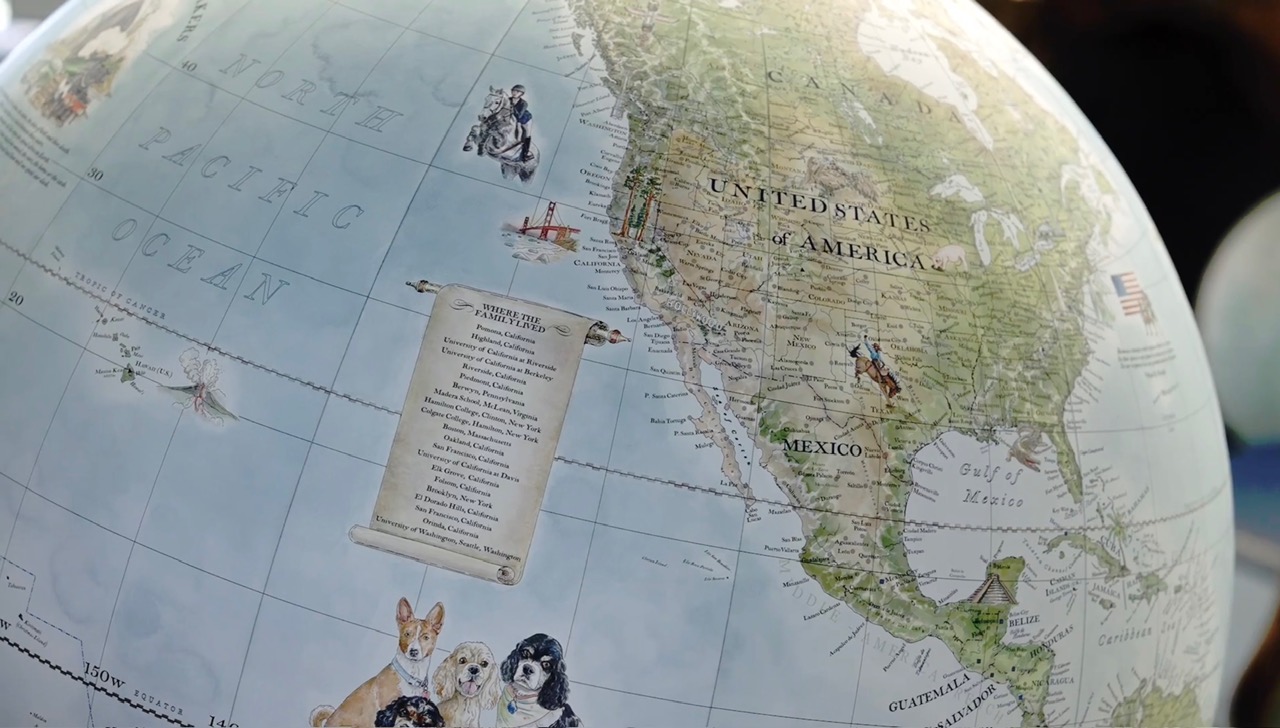
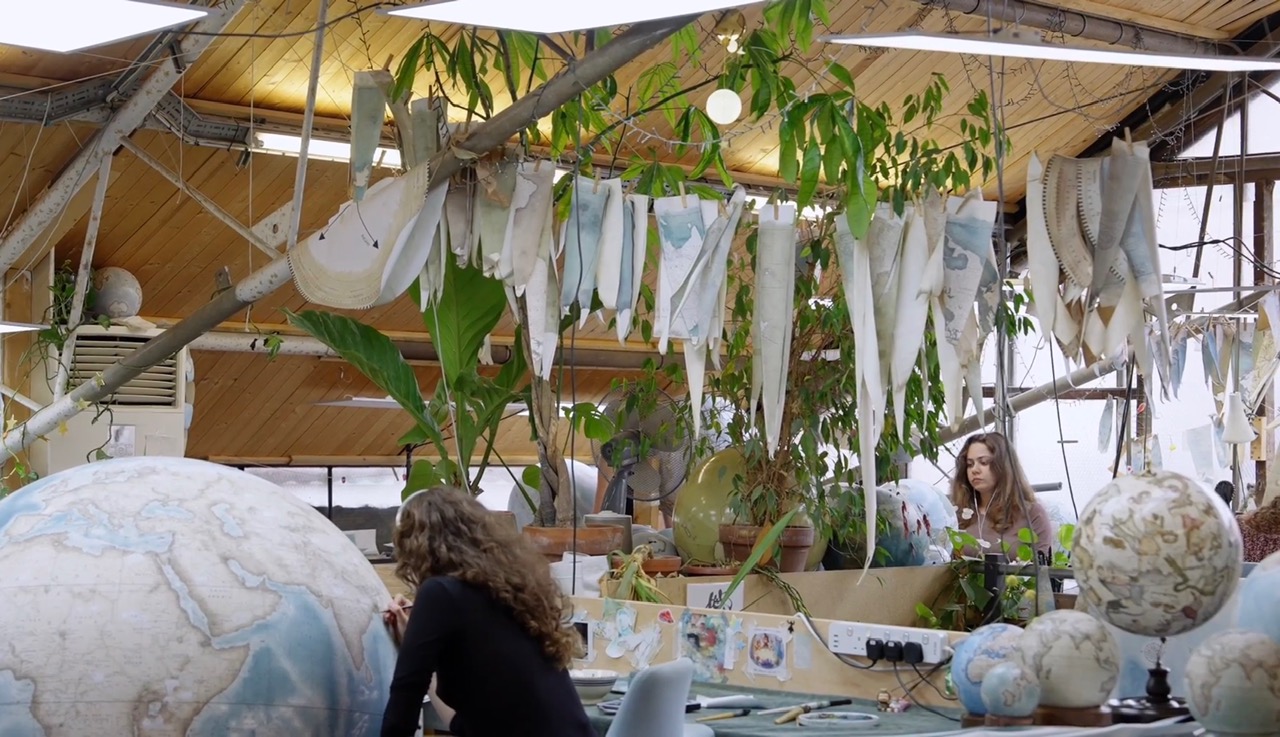
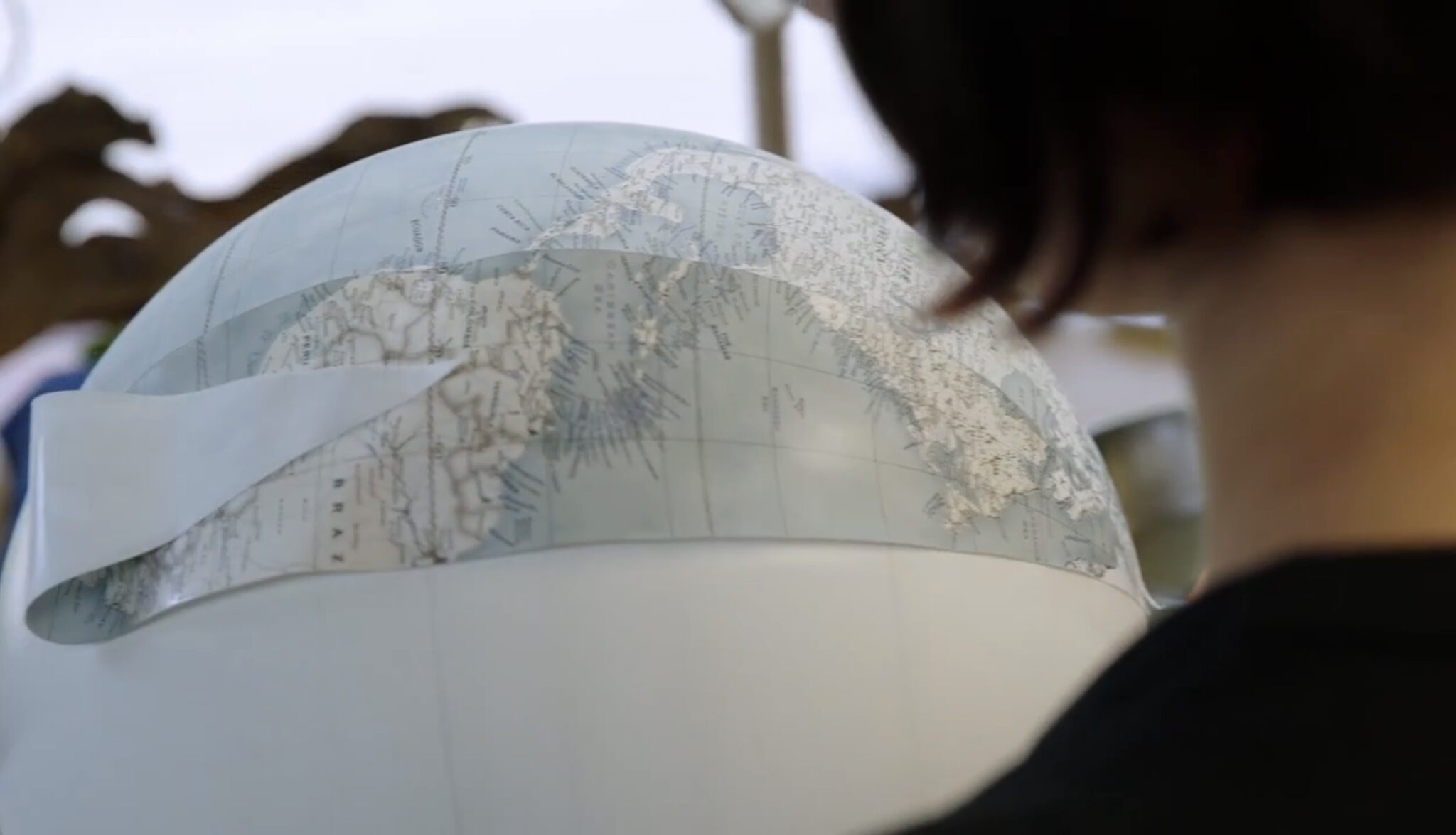
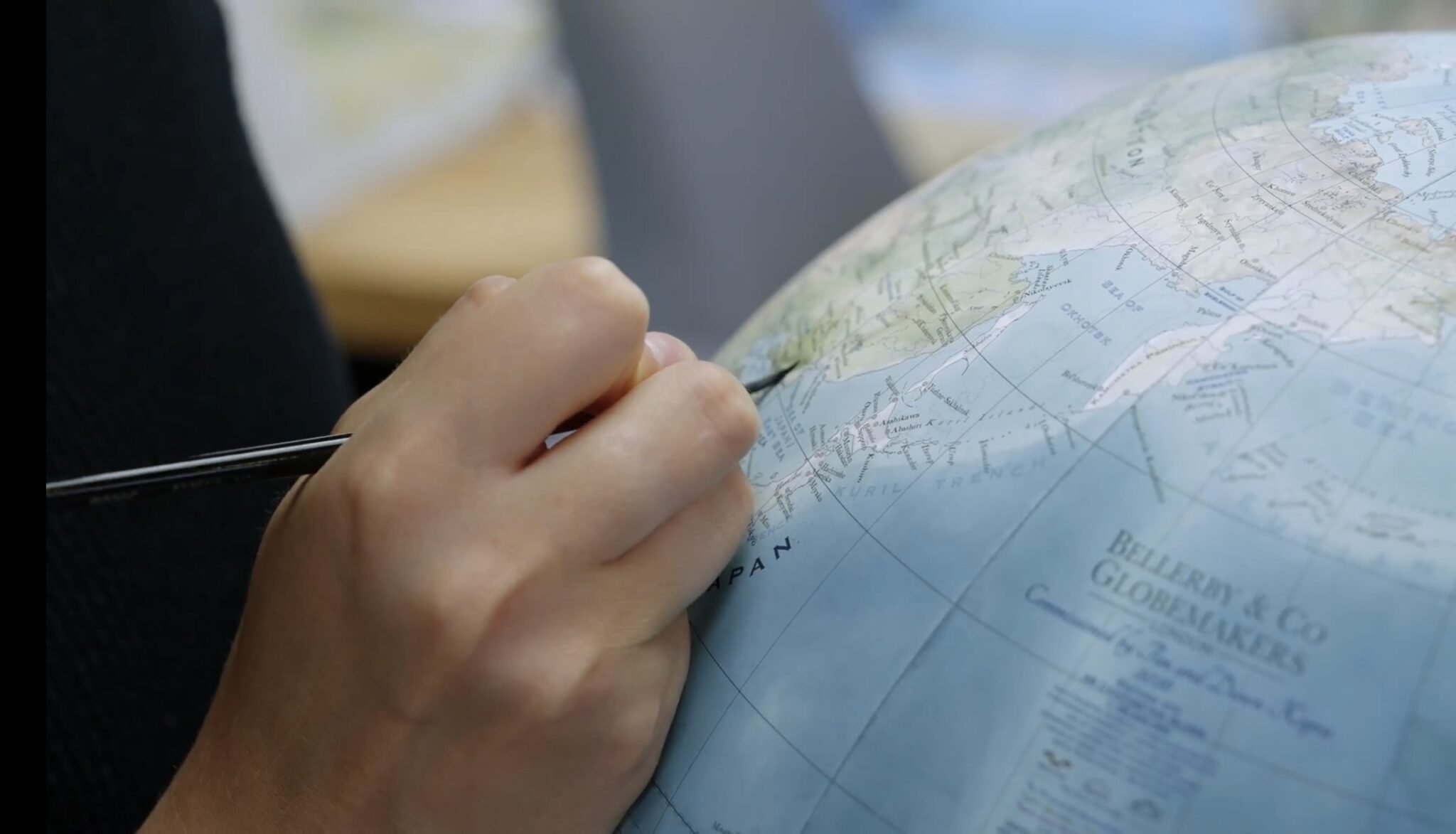
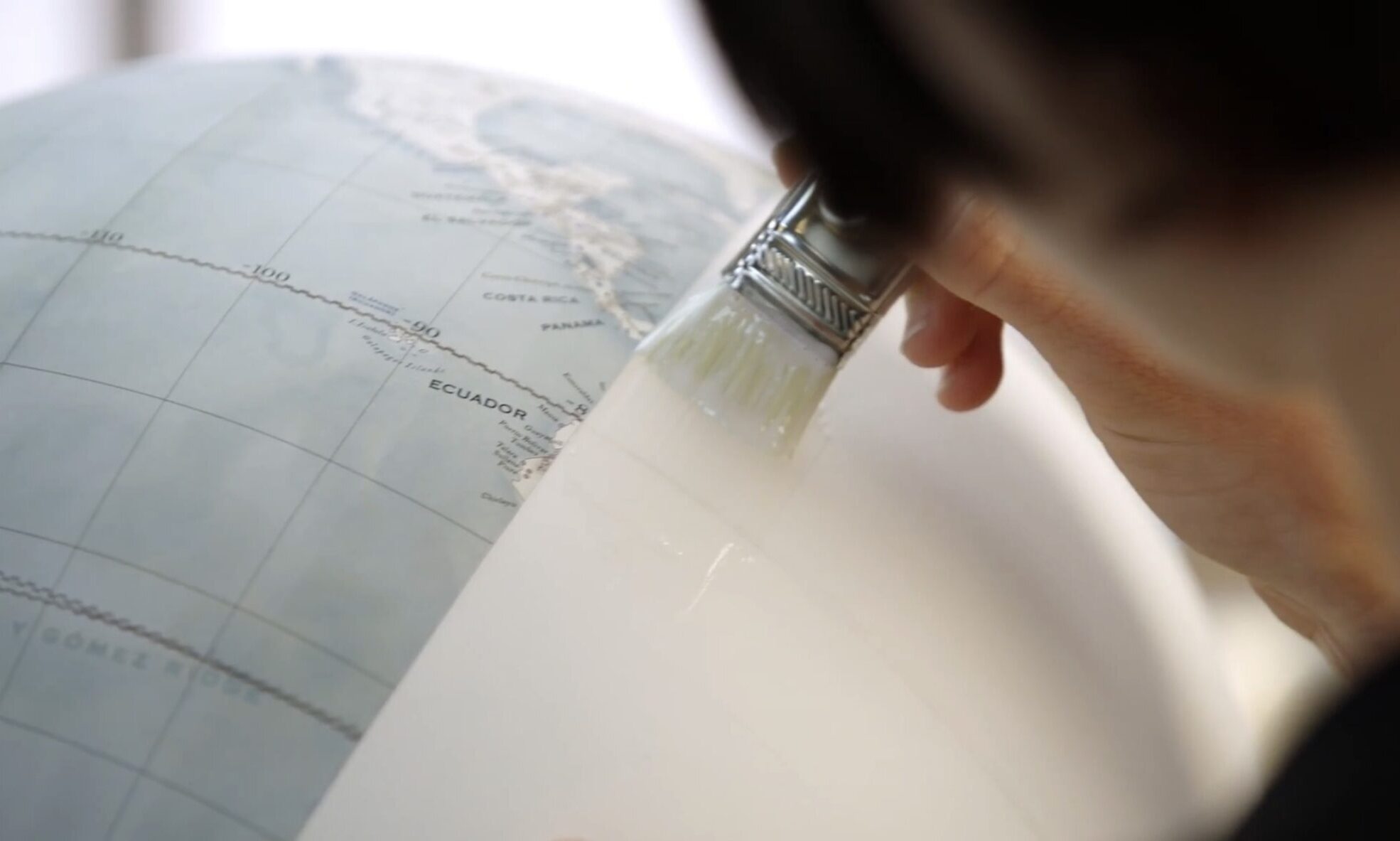
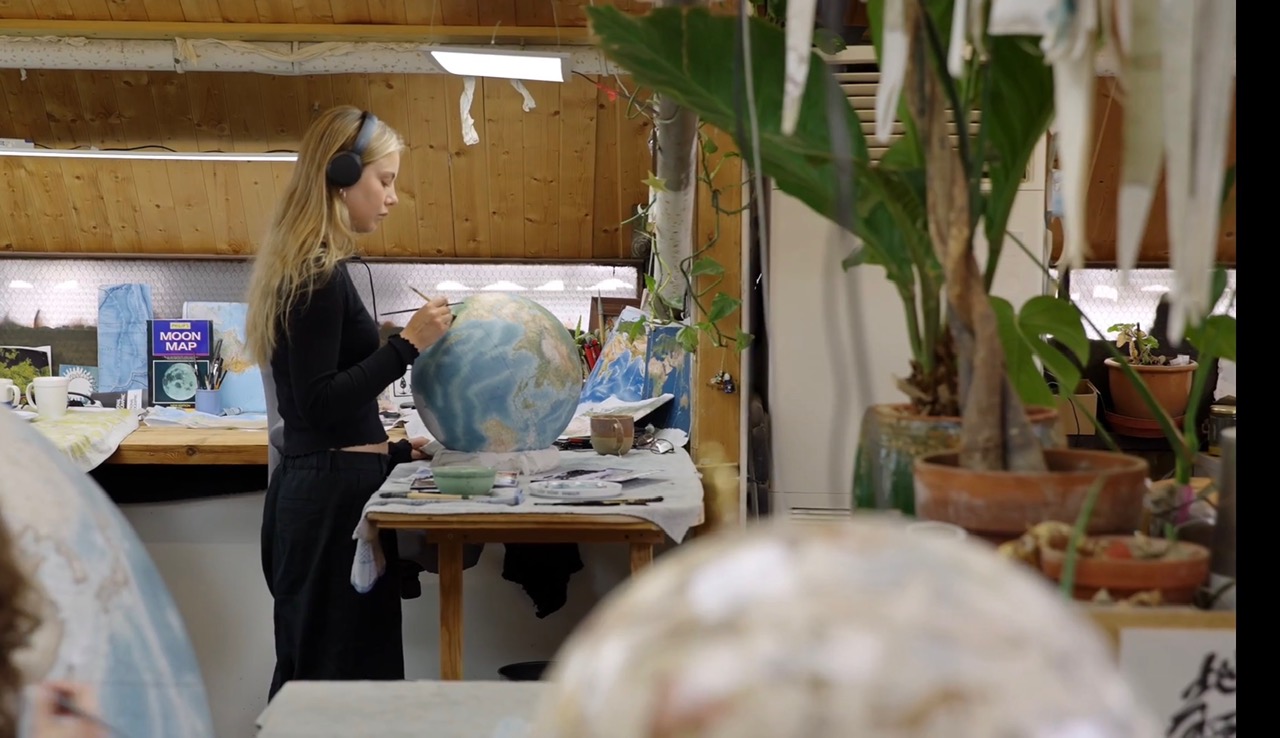
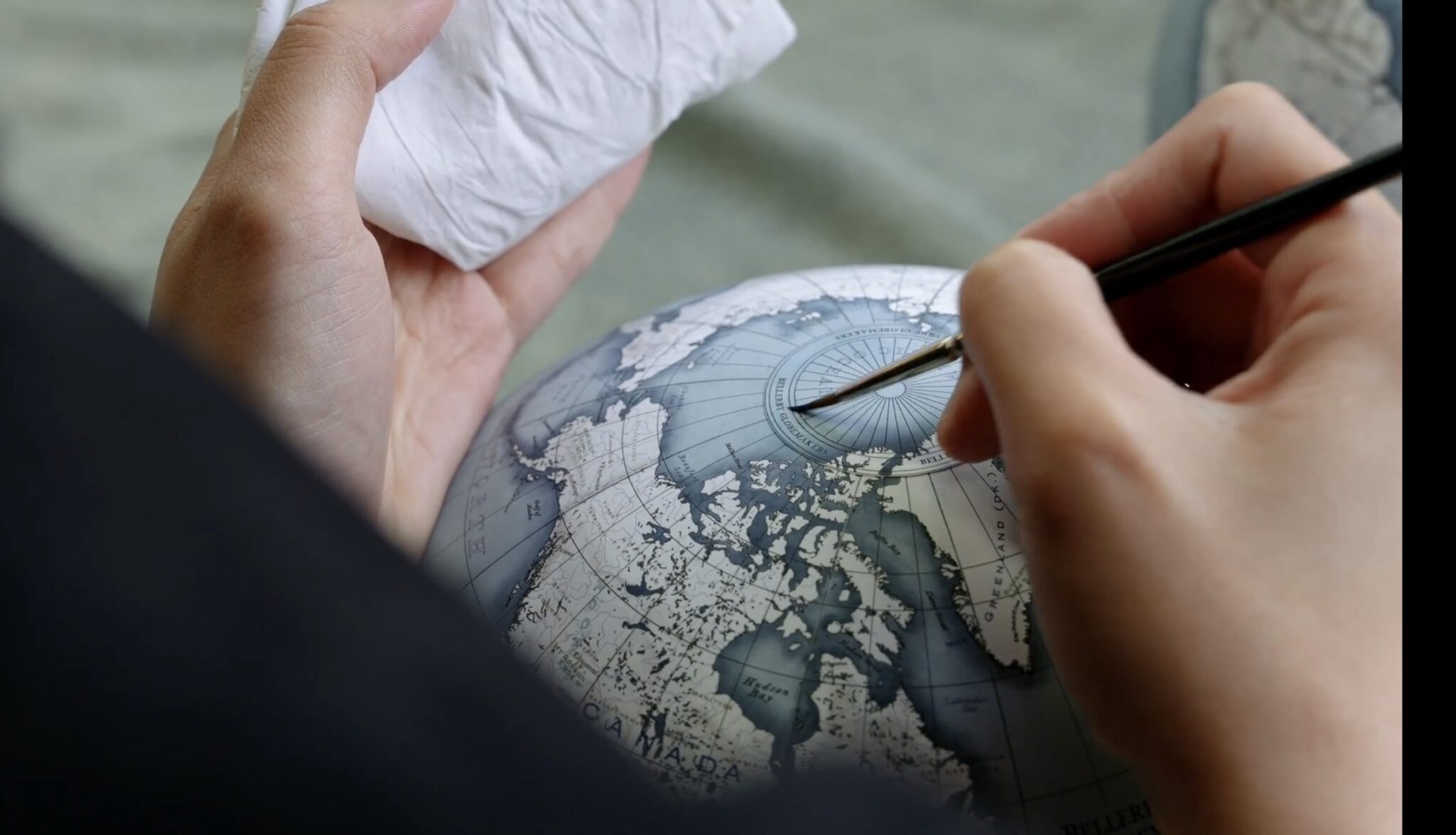
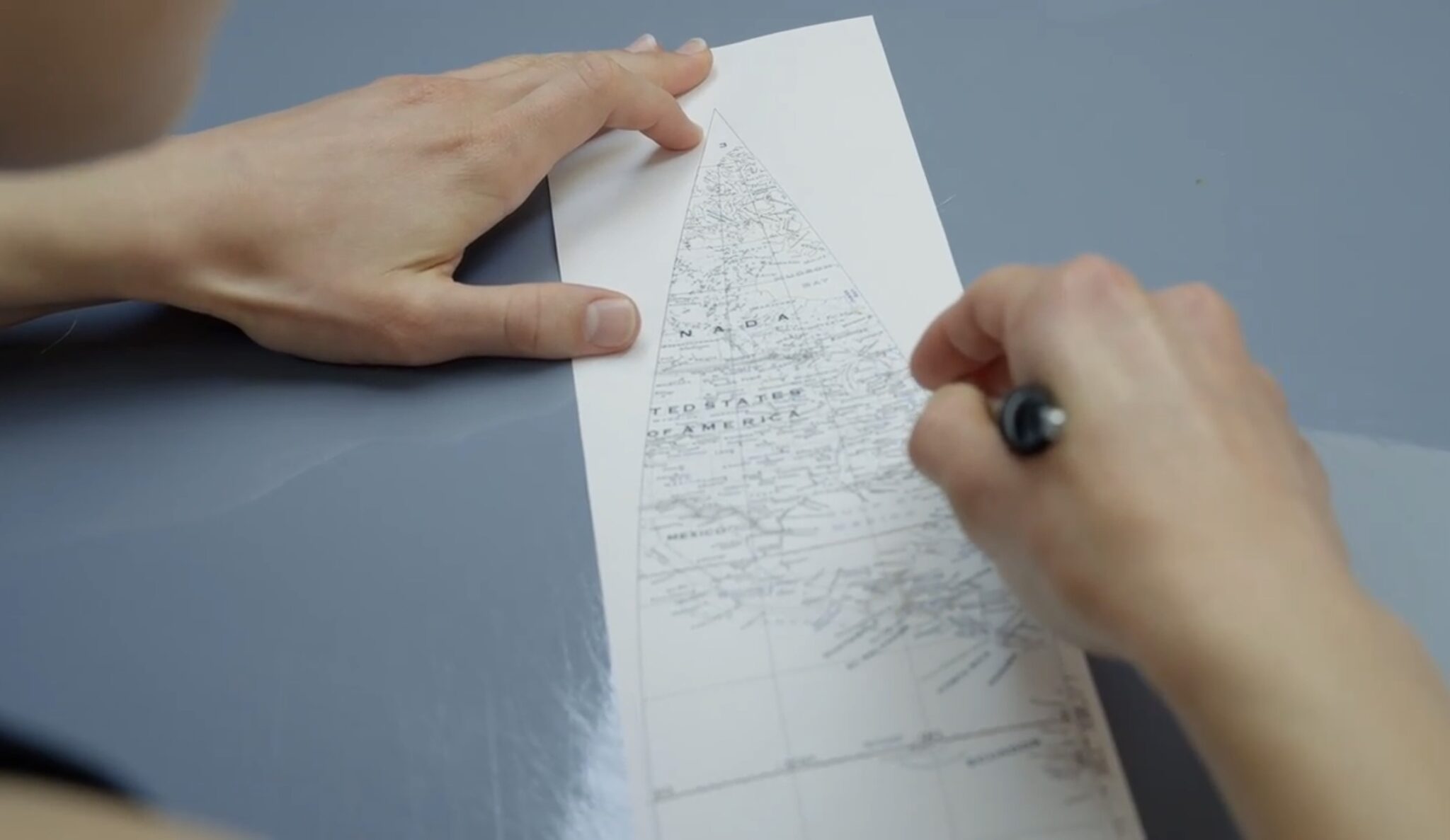
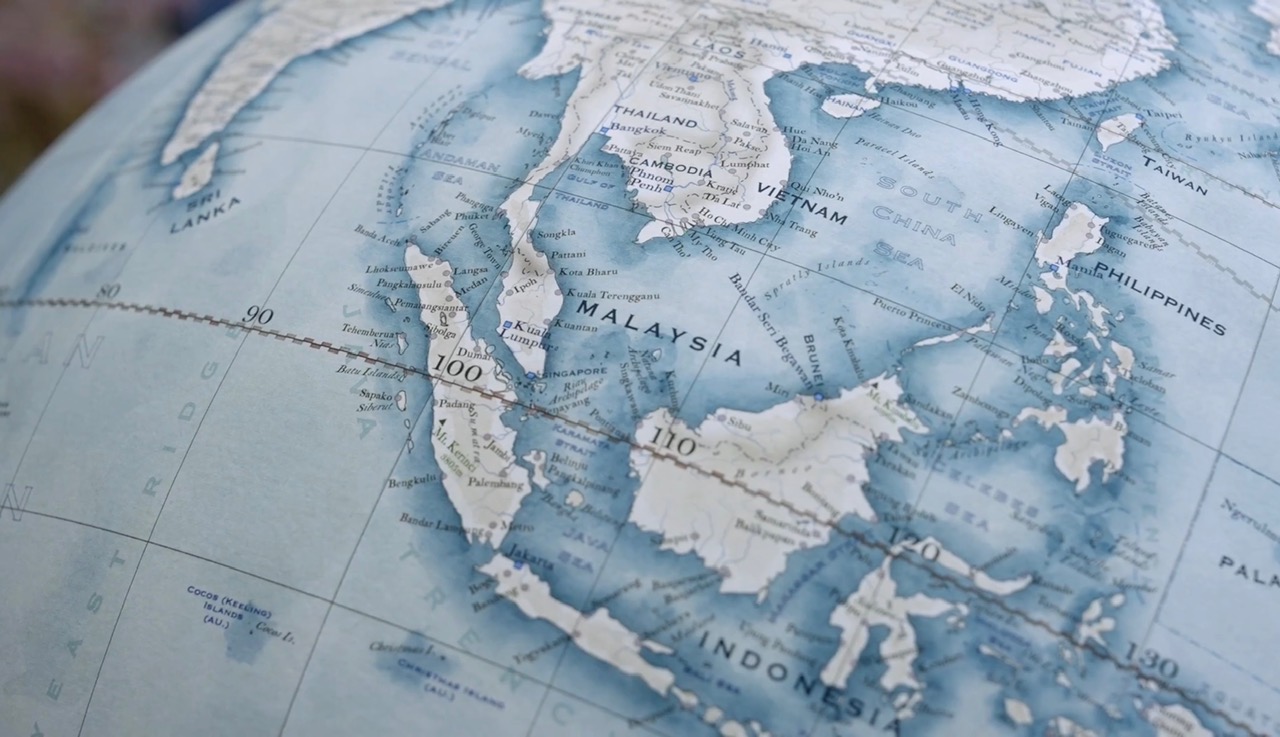
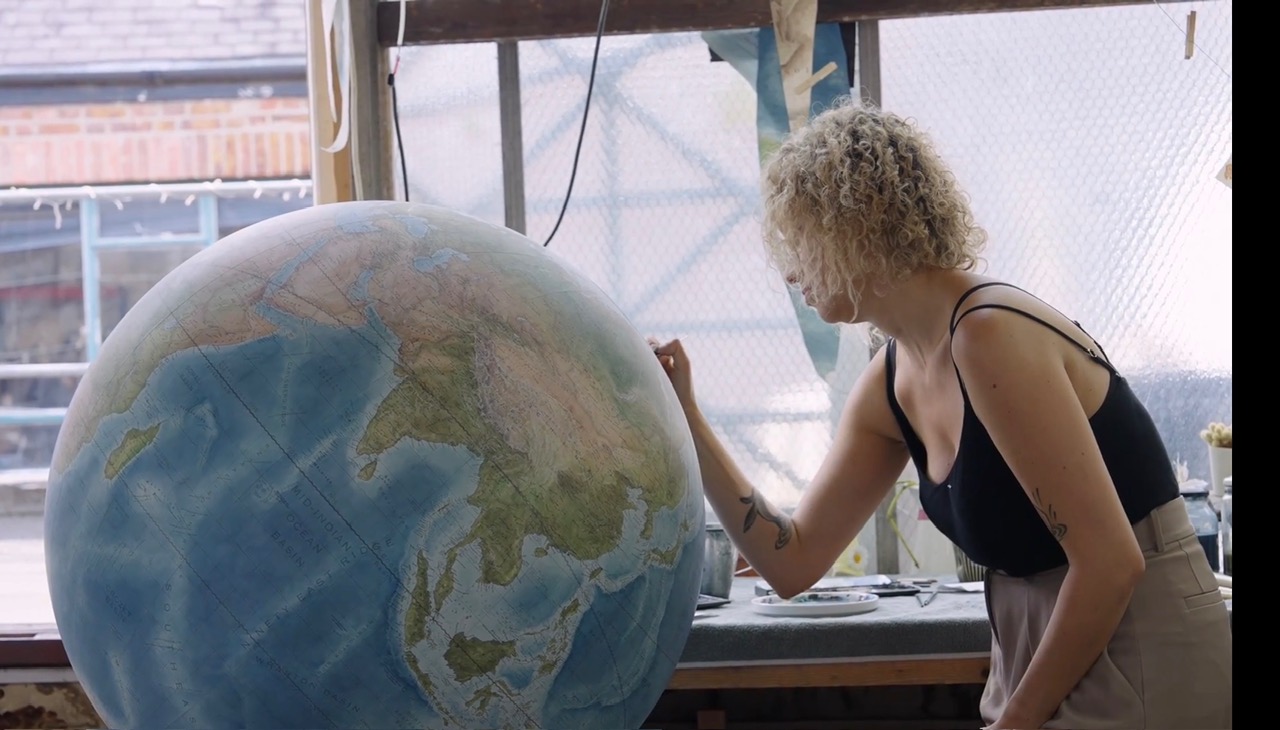
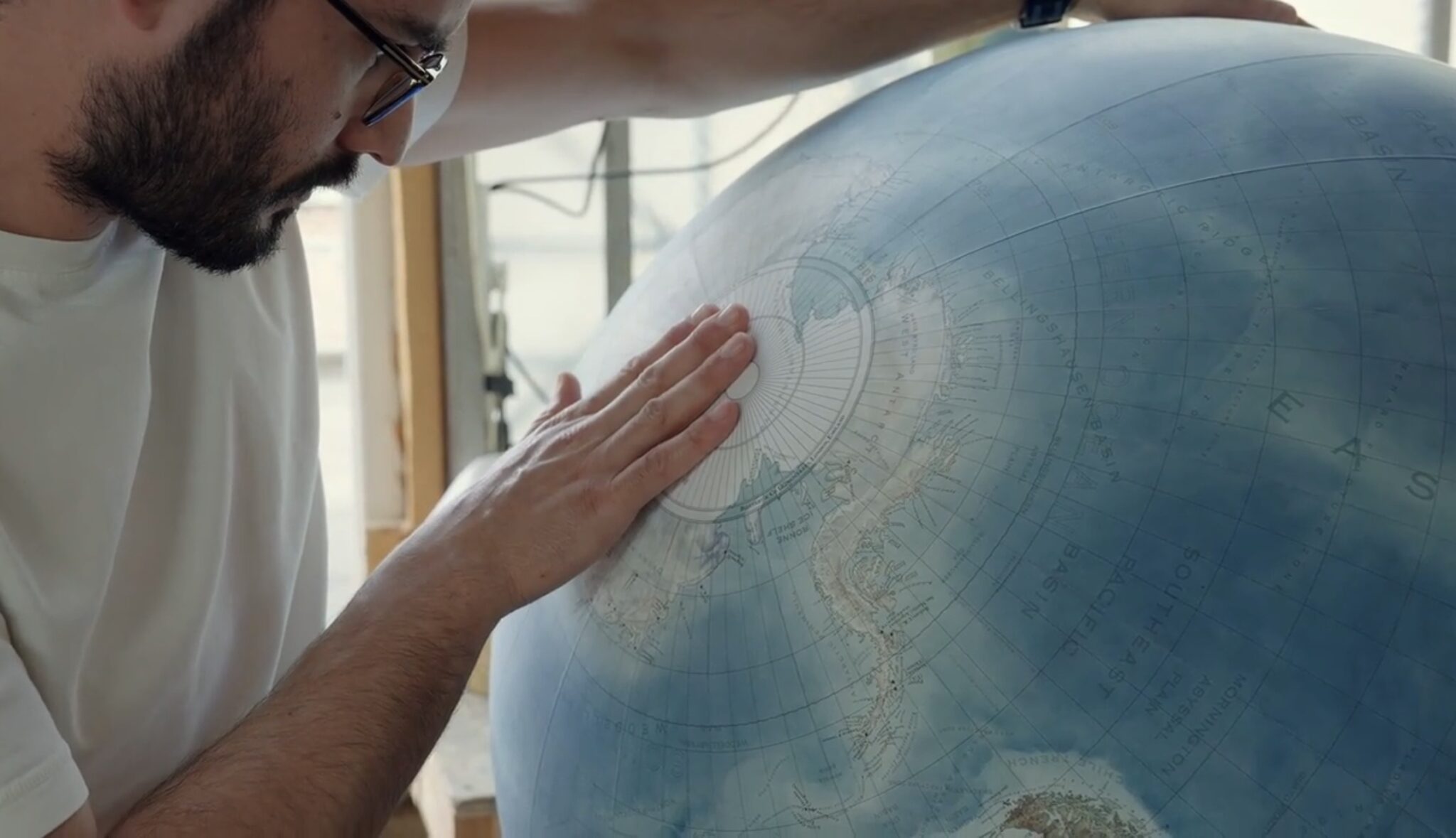
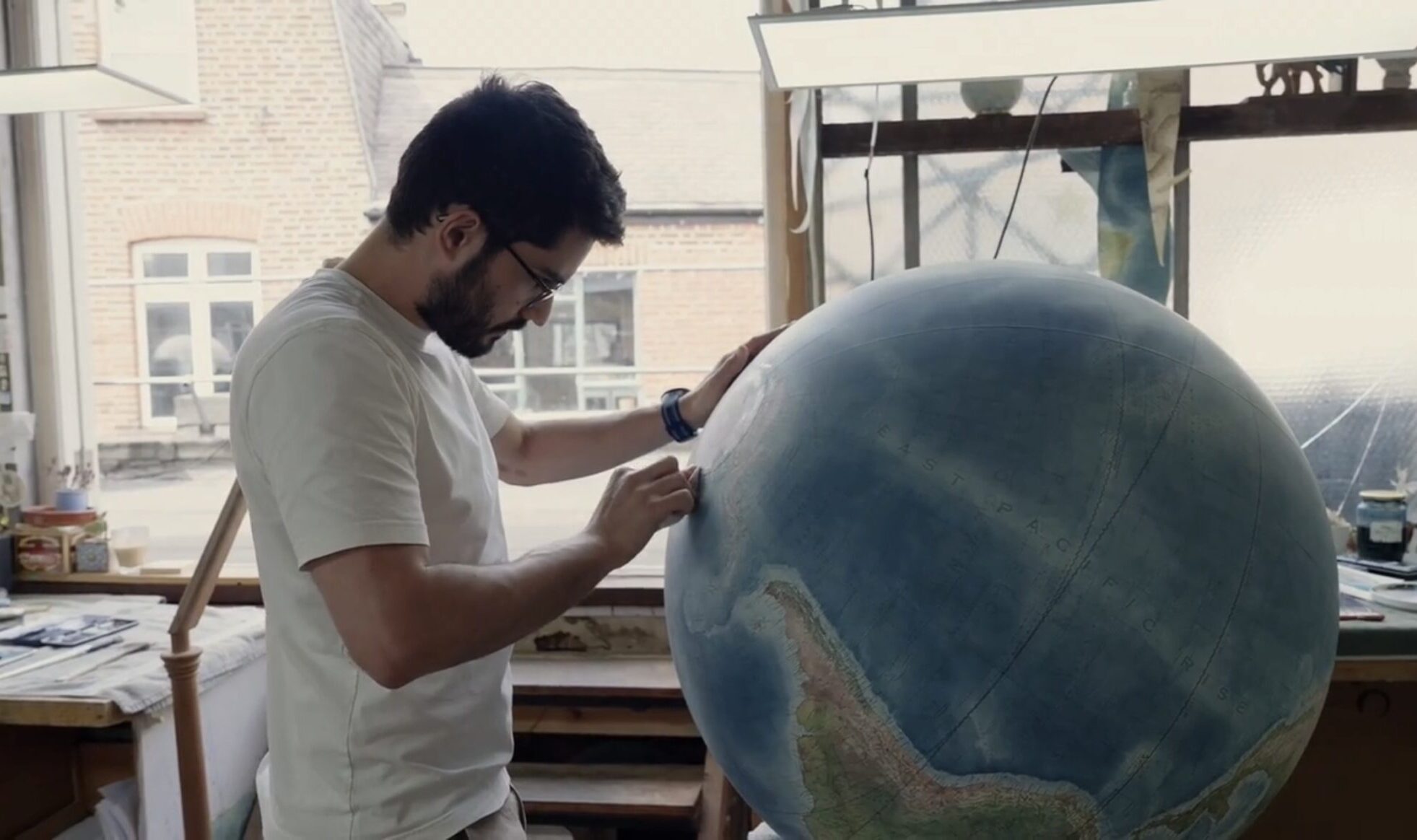
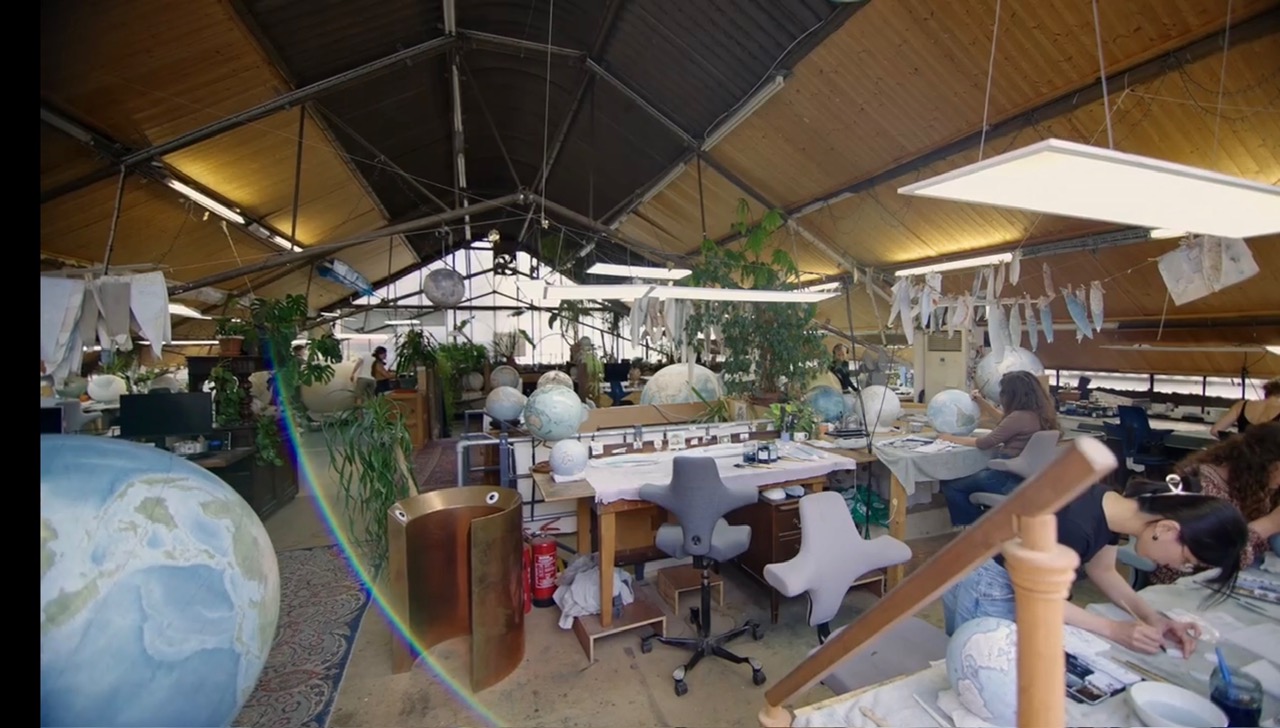
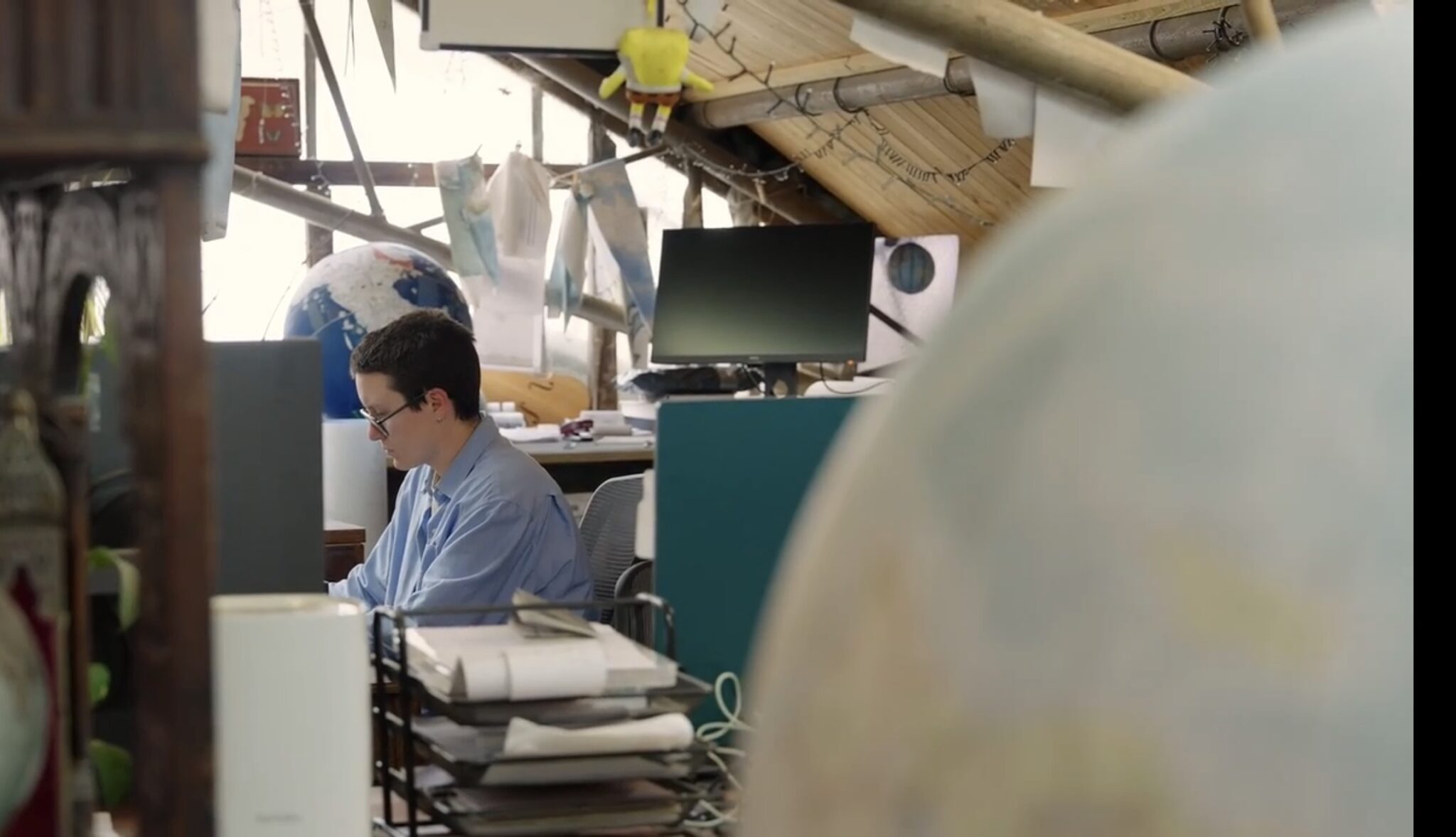
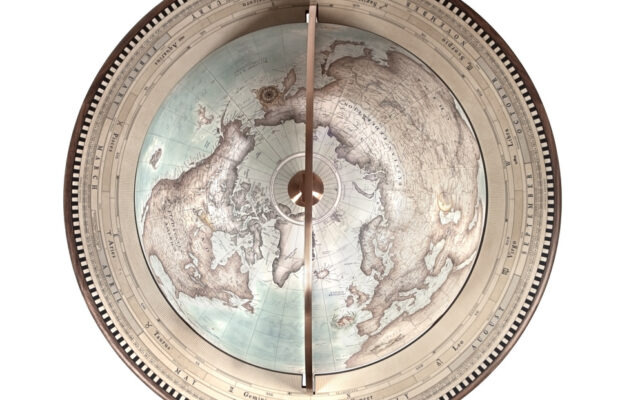
The cavernous, corrugated-roof workshop of Bellerby & Co Globemakers in Stoke Newington feels more like a film set than a 21st-century studio. It’s a vivid tableau of the myriad skills that go into making each bespoke globe: sets of gores hang from pegs and string across windows (each globe has 12 or 24 of these panels that are dampened and then precisely applied to the surface of the sphere), and shelves are topped with globes in all sizes awaiting the meticulous hand painting and illustration that is applied by a team of watercolour artists. When Peter Bellerby was searching for a globe for his father almost two decades ago, he couldn’t find anything that fitted the bill. So he went on a two-year odyssey to create one, and launched his eponymous firm in the process. “Globes are a wonderful convergence of the arts and the sciences,” he says of the skills in engineering, geography and artistry required. Each globe takes weeks or even months to make, and is a work of art, customised with family histories, past travels, migration routes and themes. The slow and meticulous process of making by hand is celebrated: apprentices here train for at least a year before producing the 22cm desk globe. The biggest – a show-stopping 152cm diameter model created for the new National Geographic museum in Washington, DC – is the largest hand-painted globe in the world, and smoothly spins on an axis. CC